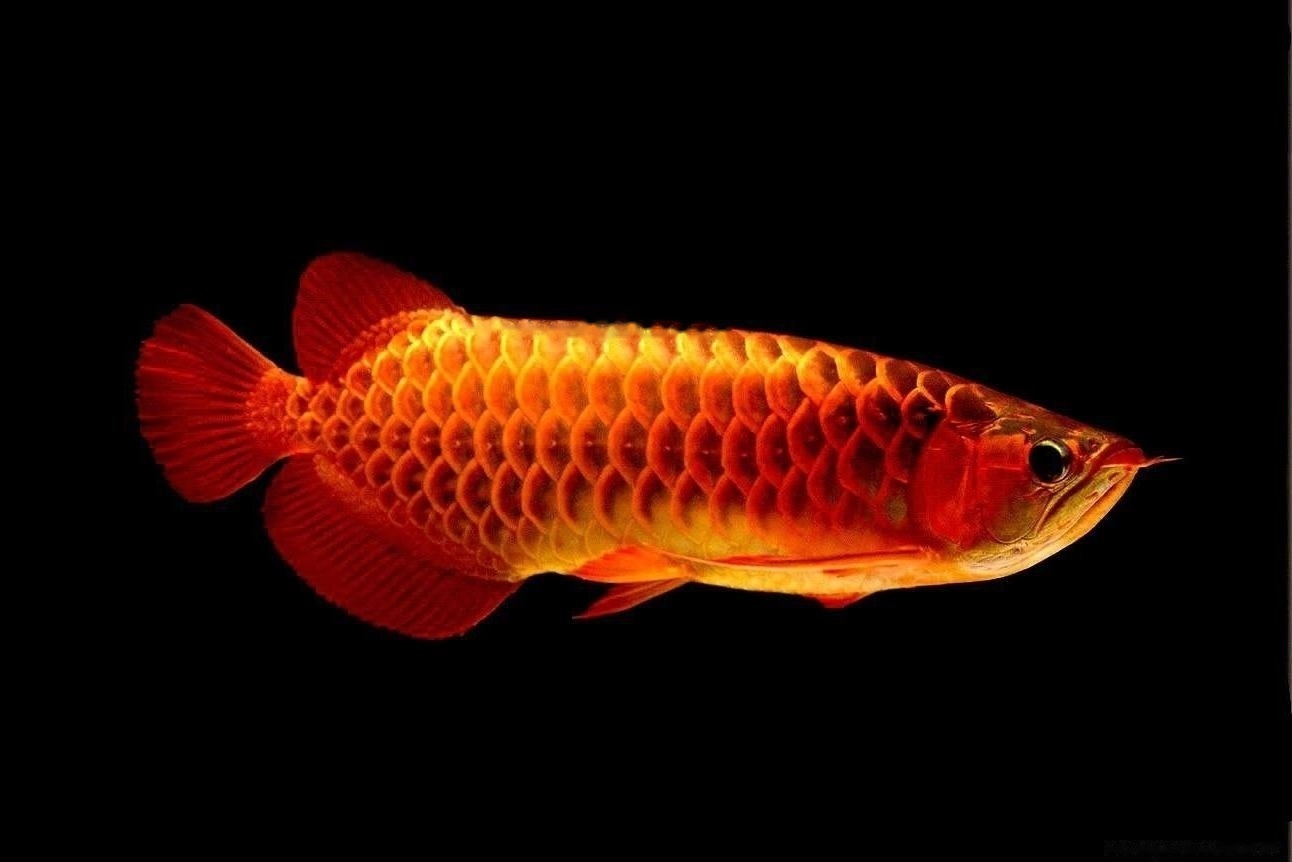
Dragon fish is a famous ornamental fish among fishes, and different species of dragon fish have different colors. And as the fish grows older, the color of the scales on the body will become more shiny and thicker. The most important things in raising dragon fish are water quality, feeding and disease prevention. As long as these three aspects are broken through, you can have healthy and beautiful dragon fish. Today, a pet editor summarizes the relevant experience of raising dragon fish, let's take a look!
Difficulty 1: water quality management for raising dragon fish
1. Weak acid soft water
The survival of dragon fish requires weakly acidic to neutral water, and soft water is required for hardness. Due to the strong adaptability of dragon fish, there is generally no problem with ordinary tap water.
2. DH value water temperature
Water quality specifically: DH value between 6.57.5 and 312 are ideal values. Generally speaking, the water temperature is 24 to 28 degrees Celsius, and the nitrite and chlorine content in the water are preferably zero.
3. Explosion and softening
The water should be fully degassed and softened before it is used to raise arowana. It is best to add it to the raising water when the juveniles just return to the box. A certain amount of antibiotics, chlortetracycline and tetracycline are the best, and the dosage is 13 mg per kg of water.
4. Be careful when changing the water
Be careful when changing the water every day to prevent the dragon fish from being frightened. And when raising arowana, you must avoid completely replacing it with new water, otherwise it will cause damage to the fish.
5. Large aquariums
Arowana juveniles are too large to be kept in aquariums. When designing the arowana breeding box, attention should be paid to its expandability. If the water body is wide, it is best to use an aquarium with a height of more than one meter.
Difficulty 2: Feeding Techniques for Raising Arowana
1. Determination of Feeding Amount
The feeding amount of Arowana should be eighth full. The degree of hunger and satiety can be judged by observing the decrease in food intake, usually taking the big fish to finish within 30 minutes and the small fish to finish within 5 minutes.
2. Feeding times
Feeding times, also known as feeding frequency, means that after determining the daily feeding amount, the bait is divided into several times and put into the aquaculture water. . The feeding frequency is related to the species and feeding habits of arowana. The feeding frequency of arowana at different stages is: 6~8 times in the fry stage, 2~5 times in the juvenile stage, and 2~5 times in the large fish stage. 1 to 2 times.
3. Feeding time
Generally speaking, we should control the feeding time when the dragon fish is most prosperous, which depends on the water temperature and dissolved oxygen content. , such as around 10:00 in the morning and 14:00 in the afternoon, generally do not feed at night.
4. Feeding position
When raising arowana outdoors, it should be in the sunny, clean bottom of the pool, and there are no sharp objects around, so as to avoid injury during the competition. Under normal circumstances, daily feeding should be at a fixed time and place.
Difficulty 3: Prevention and Treatment of Common Arowana Diseases
1. Blindfolded and cloudy eyes:
The water can be changed in the initial stage, one third of each time, change Add a small amount of salt after the water, the concentration is about 300 grams of salt in 100 liters of water. In the late stage, 10,000 units of water-soluble aureomycin and penicillin can be put in every 1 N, the temperature is raised to 33 degrees, and it is soaked for 2 days to change the tonic.
2. Bump (trauma):
Generally put salt (300 grams of salt in 100 liters of water) and keep the temperature at 31 degrees. The most terrifying thing is the occurrence of infection, especially the secondary infection of mold and other bacteria. So be sure to maintain good water quality in the fish tank.
3. Change the water and tonic for rotten fins:
Put 6 to 8 tablets of Terramycin in 100 liters of water or add 300 grams of salt to 100 liters of salt, soak for 3 days and change the water tonic. Note that only a quarter of the water needs to be changed each time.
4. Arowana ?E?P tumor:
The fastest way to remove the tumor is to first anesthetize the arowana, then scrape the sarcoma by hand, and finally apply it to the wound Apply some xanthate and put some xanthate in the water to prevent bacterial infection of the wound. However, long-term improvements in water quality are likely to go away without treatment.

![[Dog Training 5] The training method of pet dog dining etiquette](/static/img/12192/12192_1.jpg)