It is best to let the Chinchilla mother bring the chinchilla cubs, which has the highest survival rate, and the survival rate of artificial feeding chinchilla cubs is very low. During the breastfeeding period of Chinchilla mothers, it is recommended to give enough food and water, it is best to supplement the main food prescribed for breastfeeding with sufficient calcium. In addition to helping it supplement nutrition, do you parents know the relevant nursing knowledge of chinchilla mother and chinchilla cubs? Don't worry, the editor will answer for you.
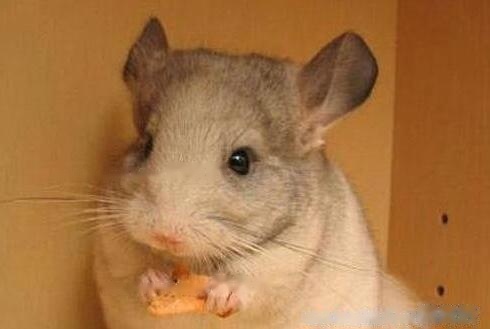
How to take care of chinchilla cubs?
1. Mix the milk powder with warm water, the amount should not be too thin, and it should be a little sticky. Remember not to use cold water or ordinary boiled water, lukewarm boiled water is the most suitable, because it should be close to the body temperature of the chinchilla cubs and avoid too much temperature difference. Feed with a syringe. If you are a novice to Totoro, you can choose an eye drop bottle instead. If you use a syringe, the smallest 1mL is ideal.
2. Fill up the brewed milk, and then put it back a little to avoid the accumulation of air in the syringe. When you start feeding, remember not to put it too deep into the mouth, or directly into the mouth. This is very dangerous, and it may be accidentally injected into the trachea and lungs! Instead, put it near the mouth, small mouth or small drop feeding, an average of one It may take more than 15 minutes for a small bottle of milk, of course, it takes patience to take care of chinchilla cubs.
3. Increase the nutrition of the Chinchilla mother and isolate the Chinchilla daddy.
4. Use cardboard around the cage to prevent the chinchillas from escaping.
5. Strengthen the warmth of chinchilla cubs, and give some cotton quilts to prevent frostbite.
Reasons why it is not recommended to use evaporated milk for Chinchilla cubs:
1. The evaporated milk is thinner and the water content is too high;
2. Evaporated milk sugar The powder and acidity are strong;
3. The nutrition is not as high as that of the milk powder, and the absorption requires relatively less nutrition; nutrition will be low.
Precautions for the care of chinchillas:
1. In addition, chinchillas will become naughty and lively after they open their eyes. They will gnaw on cages and even get out of rat cages. Therefore, ordinary rat cages cannot hold young chinchillas. The owner needs to prepare a tighter rat cage to prevent the chinchilla from escaping. Then remove all the toys and springboards in the rat cage to prevent the chinchilla cubs from being naughty and falling.
2. In the first few days of birth, the owner also needs to carry out necessary supplementary feeding. Because, many chinchilla cubs will have varying degrees of weight loss one or two days after they are born, mainly because the chinchilla mother needs a process to produce milk, and supplementary feeding is required at this time. Generally, artificial assisted feeding should be within 3-4 days under normal circumstances. When the weight of the chinchilla cub stops declining, it means that it has received breast milk, and there is no need for assisted feeding at this time.

![[Dog Training 5] The training method of pet dog dining etiquette](/static/img/12192/12192_1.jpg)