DwarfBegonia, also known as The pygmy panda rabbit, or the pygmy Hedart rabbit, is native to Germany. Small in size, they are almost all herbivores and do not eat meat. Likes to eat wheat grass, vegetables and fruits, but cannot digest a lot of corn, peanuts, potatoes and other foods. This kind of rabbit likes to be nocturnal, its only activity during the day is feeding, it is dormant at other times, but it is very active at night, and its feed intake at night accounts for about 75% of the daytime. %. It has a lively and lovely personality, strong curiosity, and is easy to get along with and is loved by many breeders.
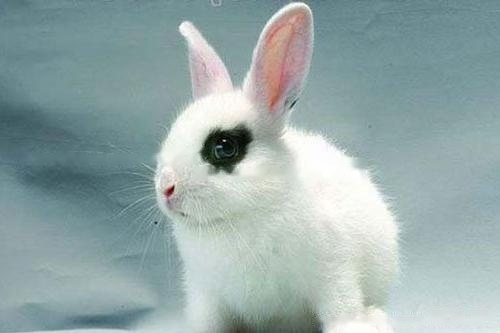
The Pygmy Begonia Rabbit is relatively small and belongs to a small petrabbitbreed. Its ears are erect, its whole body is white, and only the hair around its eyes is black, which is very cute and cute. It is only 10 centimeters long, with a big head and a small body. Its ears are shorter than ordinary rabbits. It has a gentle and friendly personality and is energetic.
Pygmy Begonia rabbits can be divided into two types, one is pure white body Color, with black eyeliner on the eyes; the other also has black eyeliner, but there are some spots on the snow-white body. The Pygmy Begonia Rabbit is petite in size, with an arc shape from the shoulders to the buttocks, a large head and short ears (the ideal length is about 6cm), dark brown eyes, white body, also pure white and only the hair around the eyes is black Yes, the ears are no longer than 7cm. The weight is generally less than 1.36kg, and it is a viviparous animal.
Rabbits are almost all herbivores, and they like to eat: cabbage , carrots, pumpkins, sweet potatoes, spinach, radish leaves, cucumbers, oranges, apples, bananas, goose sausages, grapes, plantain, bean curd, dandelion, bread, etc. But there are some foods that cannot be eaten in large quantities: peanuts, corn, potatoes, etc. Foods that cannot be eaten: onions, chocolate, garlic, coffee, leeks, wine, etc.
The pygmy crabapple has a very simple diet, and they can’t eat a lot of food. A good food is hay or rabbit food and some fresh fruits and vegetables. Their digestive system is very long and can account for 10-20% of their body weight. There is only one stomach, but the location is special. They cannot vomit. When the stomach is not good, they will only show symptoms of anorexia.
Environment The Pygmy Begonia Rabbit does not like dampness and dirt, and prefers a dry and clean environment. Therefore, the rabbit cage should be kept dry, the rabbit cage should be cleaned every week, and the food box and drinking water must be kept clean. The humid and turbid environment is easy to infect the pygmy crabapple rabbit with germs.
Nest Pygmy Begonia Rabbit likes to burrow, so when building a rabbit house, it is necessary to This feature builds caves for them.
Mixed When adult pygmy crabapples meet, they often chase and bite; when females are together This also happens. Therefore, one male and one female can be raised in the same house, but they cannot be raised with the male or the same female to avoid injury.
Diet The Pygmy Begonia Rabbit is almost entirely herbivorous and will not eat meat. Rabbits over one month old are suitable for timothy. Rabbits with a bad stomach will have soft stools, so high-nutrient and low-fiber foods such as wheat grass cannot be fed. Such rabbits are suitable for eating hay to increase gastrointestinal motility. Young rabbits are also not suitable for eating fresh fruits and vegetables, you can eat some peels in moderation.
The Pygmy Begonia Rabbit is sexually mature about 8 months after birth. When female rabbits are irritable, it means that they have breeding needs. After mating, the male rabbit will make high-pitched noises and even go into a coma. After the female rabbit is pregnant, the male and female rabbits should be kept separately. Lay straw or other hay in the rabbit cage, and use a cloth to surround the cage to keep the female rabbit as quiet and stable as possible. Female rabbits make nests out of their belly hairs. From pregnancy to delivery, female rabbits have a bad temper, and if they are stimulated, they are likely to bite the young rabbits. A litter may give birth to 5-6 rabbits. When the food or drinking water is not enough, the mother rabbit may eat the rabbits, so the amount of food provided at this time should be slightly more than usual. After about 30 days, the rabbits can leave the nest and are fed with bread soaked in milk or soft vegetables, which are easy to tame.

![[Dog Training 5] The training method of pet dog dining etiquette](/static/img/12192/12192_1.jpg)