The first is to create a living environment for freshwater tropical fish. Tropical and subtropical geographical and climatic conditions make tropical fish live in weakly acidic soft water with sufficient sunlight, high water temperature, small temperature difference and abundant natural food for a long time. Therefore, their growth, development and reproduction are closely related to water quality and water ecological conditions. In artificial breeding, it is impossible to achieve the same conditions as the waters in the hometown of tropical fish, but they must be provided with basic living conditions that can be adapted, including water temperature, water hardness, water pH, etc.
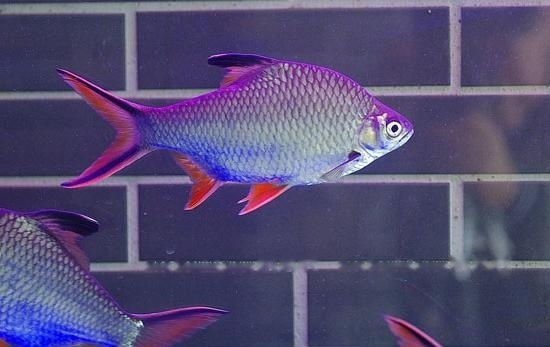
1. Tropical fish rearing method
1 Water temperature conditions and adjustment methods
Tropical fish are narrow-tempered fish, which have strict requirements on water temperature and are particularly sensitive to changes in water temperature. The water temperature that they can adapt to is 20-30 degrees. The lower limit is life-threatening for most tropical fish--if the water temperature drops below 20 degrees, tropical fish will get sick or die; although the water temperature reaches 20 degrees, if the water temperature is low for a long time, it will also affect their appetite and growth; day and night If the temperature difference is too large, such as more than 5 degrees, it can also bring discomfort to them, and it will lead to illness and death over time. There are generally two ways to adjust the temperature of water for fish farming: one is to directly increase the temperature of the water in the aquarium, and the other is to indirectly increase the water temperature by increasing the indoor temperature.
2 Water hardness and how to adjust it
Most tropical fish require soft and low water hardness to live and breed. The hardness of water is mainly determined by the amount of calcium and magnesium salts in the water. 8 degrees is soft water, 8-14 degrees is low hardness water, and 20-30 degrees is hard water. Generally, rainwater and snow water are soft water; in southern China, there are more red loam soils, and the water hardness in the rivers in the rainforest belt is low, and most of them are soft water. In the north, the rainfall is low, the soil salinity is high, and the water hardness is also high.
The water hardness requirements of tropical fish are not as severe as the water temperature, and water with higher hardness can also adapt. However, when breeding, it requires water with lower hardness or soft water. Tap water is a common source of water for breeding tropical fish. The easiest way to judge its softness and hardness is to see the scale in the kettle after the water is boiled, more is hard water, less is soft water.
3 pH of water and its adjustment method
The pH of water refers to the concentration of hydrogen ions in water. The pH value of water can be measured with pH test paper or a measuring instrument, and the usage method can refer to the instructions.
4 Feed selection and feeding method
Most tropical fish are carnivorous, a few are omnivorous, and very few are herbivorous. Carnivorous fish are divided into ferocious and mild. Ferocious with large mouths and violent temperaments, they like to eat small fish, shrimps and earthworms and other large pieces of food, such as Texas leopard fish and arowana; mild-tempered fish have small mouths and like to eat small animals such as water fleas and chironomids larvae . When feeding, it should be selectively fed according to the feeding habits of the fish. The selected food must be fresh. The natural food is preferably fresh, or frozen. The artificial bait cannot be moldy or deteriorated. In addition, in order to avoid lack of nutrition, as long as the fish can accept it, the choice of feed should be as diverse as possible, and the species of the feed should be changed frequently.
After choosing the right bait, it is necessary to master the correct feeding method so that it can grow fast and well. When feeding tropical fish, it is necessary to determine the feeding amount. The control method of feeding amount is very simple, that is, feeding little by little. At the beginning, the fish will grab food, and it can be stopped when the fish grabbing is not obvious. If you feed too much at one time, if the fish can't eat it all, it will remain in the water and affect the water quality. Generally speaking, 1-2 times a day is enough. It is best to feed at the same hour. If an aquarium wants to keep several tropical fish at the same time, it can be fed twice a day, once in the morning and once in the evening. Tropical fish can only have a good appetite if they grow in a suitable environment. Therefore, in addition to delicious food, it is also necessary to create an environment suitable for them to grow. Factors such as low dissolved oxygen, inappropriate water temperature, and deterioration of water quality will affect the appetite of fish.

![[Dog Training 5] The training method of pet dog dining etiquette](/static/img/12192/12192_1.jpg)