The blue-tailed ashfish is well mixed with Atlantic bluetail and rock damselfly, because in the waters of the Fernando Islands in the southwest Atlantic, young blue-tailed ashfish often peck with Atlantic bluetail and rock damselfly juveniles Feeds on algae and parasites on the turtle's head, limbs, tail, and shell. The most favorite part to clean is the turtle's flippers. When polyculture, it is not possible to choose small or rough, aggressive fish species for polyculture. The blue-tailed ash spreader has a certain territorial nature, so when adding fish, the blue-tailed ash crane should be arranged in the middle batch, so as not to add too much pressure to the original fish.
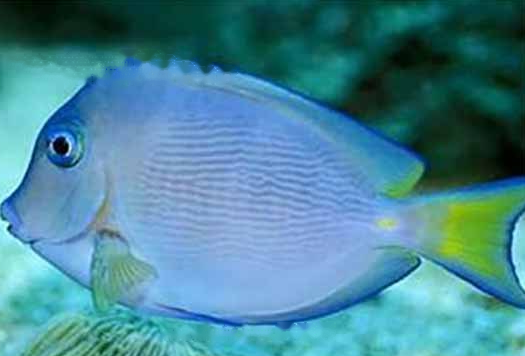
General blue-tailed ash hanging in the wild The temperature is 22-25 degrees Celsius, and the aquarium environment is recommended not to be higher than 28 degrees Celsius. Whether it is a pure fish tank or a coral, live rock and seaweed ecological tank, first of all, it must provide no less than 500 liters of water activity space, and create various caves for hiding. Like most Surgeonfish species, the blue-tailed ash seldom pecks on coral. For food preparation, seaweed, vegetables, frozen fish and shrimp meat, invertebrates, and high-quality plant-based marine fish feed containing seaweed ingredients. and so on. Blue-tailed ash hangers are more sensitive to water quality, but they can accept most standard foods and are moderately difficult to raise.

Subscribe to Newsletter
Professional platform for pets, dogs and cats.
![[Original] Sharing of popular science knowledge of ringed map turtles](/static/img/11249/11249_1.jpg)