If there are a lot of British spotted rabbits in a large cage, we try to choose the ones that are bigger and fatter and have stronger limbs. The strong British spotted rabbits have stronger adaptability and better disease resistance, while the thin British spotted rabbits are prone to stress symptoms (such as diarrhea) when the environment changes.
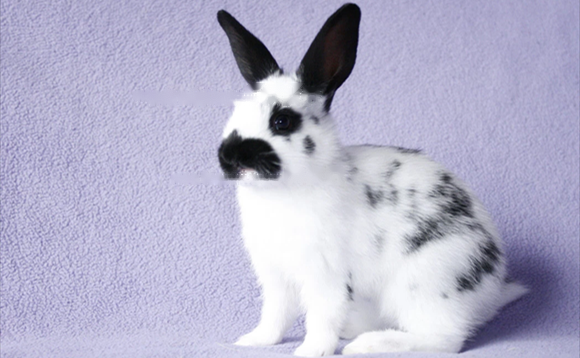
After selecting a specific target, first check whether the British spotted rabbit has facial features Abnormal, especially the eyes, shake the side of the rabbit with the hand to observe whether the rabbit responds (there is a blind spot in front of the rabbit, so it should be shaken from the side); the ears can rotate freely, and there is no obvious dander or dander on the inside. Crust; inside of nose pale pink, no runny nose, no tangles or adhesions of hair around nose; normally developed teeth, not crooked or broken; whiskers not distinctly split. Hold the body of the British Spotted Rabbit in one hand, turn it over, inspect the hair on the soles of the feet and near the buttocks to confirm that there are no knots or fecal contamination; there is no abnormality in the skin around the anus and genitals (including redness, lacerations and small white spots). acne, etc.).
The fur on the back of a healthy British Spotted Rabbit is smooth, and if well nourished, the fur will exhibit a luscious luster. Blowing a breath from behind, the British Spotted Rabbit will have a startled reaction. This is not a prank. The seriously ill rabbit is lethargic and rarely responds.

Subscribe to Newsletter
Professional platform for pets, dogs and cats.
![[Original] Sharing of popular science knowledge of ringed map turtles](/static/img/11249/11249_1.jpg)