I. Morphological characteristics
1. Body size
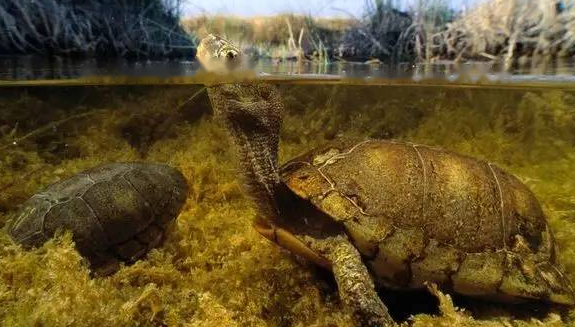
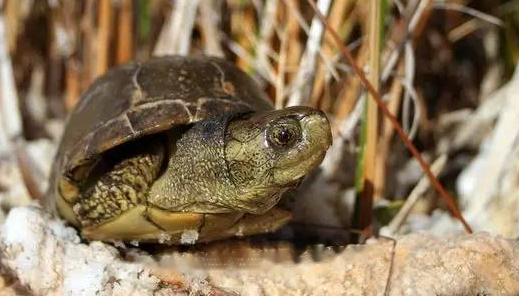
The swamp box turtle is not large in size, oval in shape, and looks similar to the closed shell of our country as a whole. Turtles are somewhat similar.
2. Head
The head of the swamp box turtle is relatively slender, the color of the head is brown, the eyes are relatively small, and the muzzle is relatively small.
3. Tortoise shell
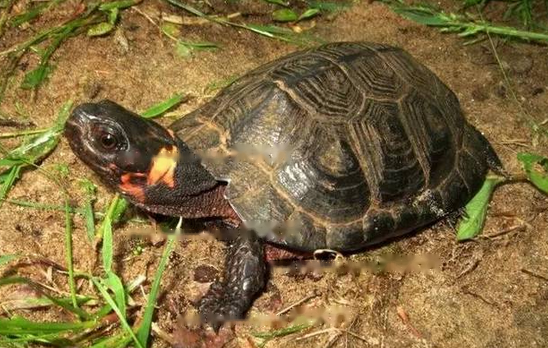
The tortoise shell of the swamp box turtle is relatively hard, its carapace can grow up to about 18 cm, it is relatively high, it is dome-shaped, and the color of the carapace is green , brown or tan, without fancy patterns. Adult male swamp box turtles have brown spots on the carapace, while females have yellow or tan spots on the carapace. The color of its plastron is mostly light yellow and green.
4. Limbs
The limbs of the swamp box turtle are relatively slender, with claws on both the front and rear limbs, but the claws are not sharp.
II , Living habits
1. Habitat
From the name, we can also know that the swamp box turtle is a kind of turtle that likes water very much, 90% of the time. Staying in small quagmire with slow currents also makes their carapaces full of algae.
2. Regularity of activity
The swamp box turtle is different from other tortoise species. They do not hibernate and are relatively active all year round. However, when encountering extreme weather, they can also hibernating.
3. Food
The swamp box turtle is an omnivorous animal. Its meat food is mainly insects and some invertebrates, while the plants are mainly water chestnuts and occasionally some fish. or crustaceans.
Three. Status of the species
As mentioned above, the swamp box turtle is currently very endangered, and there are many reasons for its scarcity, such as habitat Destruction, deterioration of water quality, human capture, etc. In addition, the local people like to let horses, and water chestnuts, the food that the swamp box turtle likes, is also the horse's favorite food, so it often causes food shortages or the swamp box turtles are trampled to death by horses while eating.
four , Breeding
The mating period of the swamp box turtle is usually from September to June of the following year, and the spawning period is from March to September. Under normal circumstances, they will lay 2-3 eggs per nest, and the other 50% of the female turtles will lay a second clutch of eggs, and 33% of the female turtles will have a third nest, so their reproductive ability is still quite strong. Therefore, as long as the swamp box turtle has a suitable living environment, its number can still increase.
Ok, that's all for the swamp box turtle. If you are more interested in this kind of turtle, you may wish to learn more about it.

![[Original] Sharing of popular science knowledge of ringed map turtles](/static/img/11249/11249_1.jpg)