When it comes to the blood python, most people have the impression that it is ferocious, bloody, and creepy. In fact, the blood python is not what everyone thinks. On the contrary, it can be said that it is actually a vulnerable group in the reptile class. So what exactly is the blood python, please let Xiaobian introduce it to you.
First, basic information
[Chinese name]blood python
[two names] Python curtus
[other name] short-tailed python, short python
【Kingdom】Animal Kingdom
【Domain】Chordates
【Subphylum】Vertebrate Subphylum
【Class】Reptiles
【Order】Squamata
【Suborder】 Snake suborder
[Family] Boa family
[Genus] Boa genus
II. Appearance characteristics
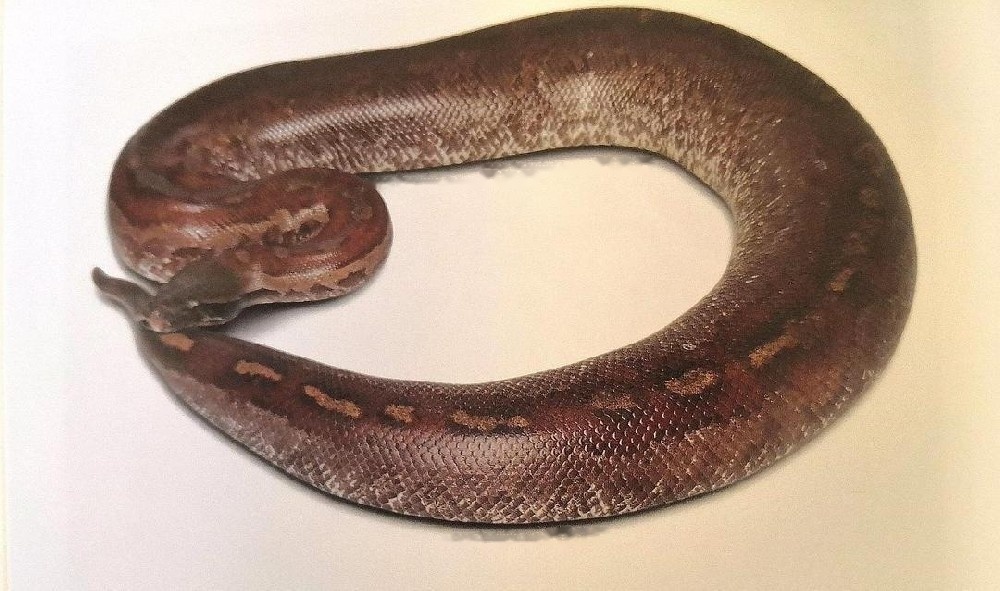
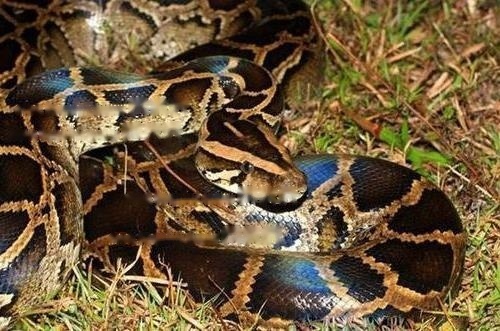
Blood pythons belong to small and medium-sized pythons. The body length generally does not exceed two meters, and there are some differences in the patterns and colors of the blood pythons from different origins. For example, the background color of the blood pythons from Borneo is mainly black, and the background color of the blood pythons from the Malay Peninsula is mainly reddish brown.
III. Geographical distribution
Blood pythons are mainly distributed in Southeast Asia, Thailand, Malaysia, the Malay Peninsula and Sulawesi also have their trace.
4. Habits
1. Living habits
The blood python has a poor ability to adapt to the environment. It is not resistant to cold and heat. Only 25~30 degrees is the temperature that it is more suitable for. Within this temperature range, the blood python can eat and grow normally. When the temperature is below 24 degrees, its feeding will decrease; when the temperature is below 15 degrees, it will stop feeding and may die. Because it is a tropical species in Southeast Asia, blood pythons do not have the habit of hibernating.
2. Breeding method
Blood pythons are oviparous. They will lay more than 10 eggs every year at the turn of spring and summer (according to individual differences), and the incubation period generally does not exceed 60 days.
V. Breeding methods
Blood pythons have high ornamental and exhibition value because of their unique body shape and beautiful patterns. Complete heating equipment should be provided during breeding. And a water tray that can hold the entire body of the python. Wild blood pythons mainly feed on small mammals (rodents), birds and reptiles. It is more suitable to feed white mice and rabbits with live bait during domestication. It is very important to attract food for the first time. Prevent the blood python from being bitten by the white rat.
The feeding farm should be mainly carbonized bark and green space. It is best to have water feeding utensils, caves with wood and stone structures, plants with thick branches and large leaves, etc., which should receive good light and ventilation. For domesticated blood pythons, it is often necessary to wear fixed work clothes and wash hands before playing to eliminate its fear of the owner. Blood pythons should avoid external stimuli when laying eggs. The aggression increases during spawning and hatching. The hatching rate of blood pythons under artificial domestication can generally reach 80%.
Unexpectedly, the blood python is not only not as ferocious and frightening as imagined, but has a high ornamental value. I believe that through the introduction of the editor, everyone must have a new understanding of the blood python!

![[Original] Sharing of popular science knowledge of ringed map turtles](/static/img/11249/11249_1.jpg)