Below, I will give you some information about it.
I. Basic introduction
【Chinese name】Fox snake
【Latin name】Pantherophis vulpinus
【English name】Fox Snake
【Kingdom】Animal Kingdom
【Domain】Chordate
【Subphylum】Vertebrate Subphylum
[Class] Reptiles
[Order] Squamata
[Suborder] Snakes
[Family] Snakeidae
[genus] Elephant
[species] fox snake
[toxicity] non-toxic
[distribution range] the Great Lakes of North America Nearby
2. Morphological characteristics
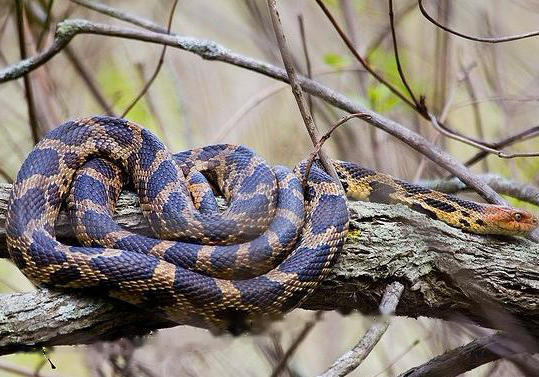
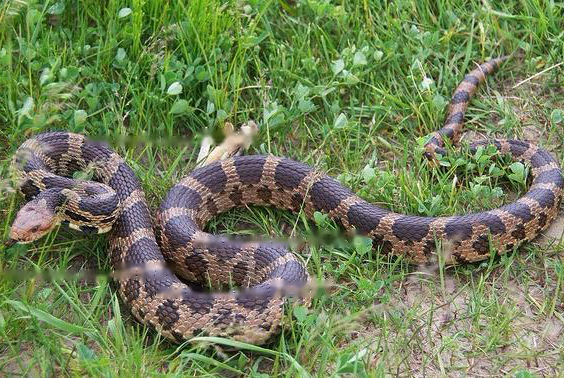
1. Body size: medium size, about 120-130cm in length, the largest observed individual is 180cm.
2. Head: The head is relatively short, the back of the head is brown, and the ventral surface of the head is light yellow.
3. Kiss: The snout is blunt and slightly oval.
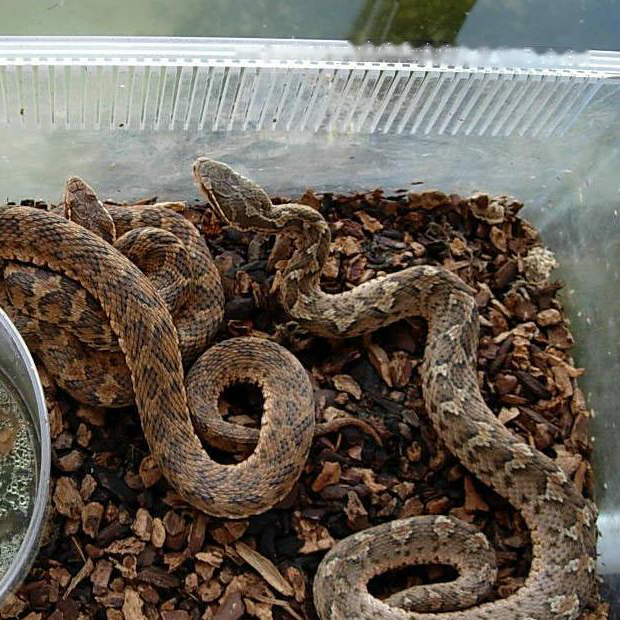
4. Color: The back of the snake body is brownish gray or tan, and there are some black saddle markings. The abdomen of the snake is yellow and also has black patches.
III. Living habits
1. Habitat: Fox snakes like to inhabit places with relatively high humidity, such as grasslands, lakes and seasides, swamps and other places.
2. Diet: Fox snakes are carnivorous snakes. They generally feed on small mammals, especially rodents. Sometimes they also prey on the eggs of frogs or birds.
3. Activity: Fox snakes are not good at climbing trees and are usually active in water and on the ground. Although fox snakes are diurnal, they are nocturnal in order to escape the heat of summer. When in danger, it uses its tail to tap the ground quickly to make a sound and assume a defensive stance.
Four. Breeding method
Fox snakes lay eggs. Before breeding, they need to go through a period of winterization to stimulate their estrus. Female snakes will give birth to 6 ~29 eggs, the snake hatches in about 42-44 days at 27 degrees Celsius. Newborn snakes are about 30cm long.
V. Status of Race
Fox snakes are widely distributed and their habitats are very diverse, and their habitats have not been severely damaged, so Their survival is not threatened. The fox snake is not a protected animal, so there are still some small partners who keep it, and its difficulty is similar to that of the corn snake, but compared with the huge breeding group of the corn snake, the fox snake is a bit unpopular. Maybe it's because the corn snake looks better.
Okay, the popular science about fox snakes is here~ If you like it, you can like and collect it~

![[Original] Sharing of popular science knowledge of ringed map turtles](/static/img/11249/11249_1.jpg)