When it comes to predators on the African continent, most people think of lions, cheetahs, etc., but there is a seemingly weak animal, but it also occupies a place among the predators on the African continent, it is the Nile River Monitor Lizard!
I. Basic information
[Chinese name]Nile monitor lizard
[Latin name]Varanus nitoticus
【Kingdom】Animal
【phylum】Chordates
【Subphylum】Chordates
【Class】Reptiles
[Subclass] Biporia
[Order] Squamata
[Suborder] Lizard suborder
[Family] Monitor lizards
【Genus】Montosaurus
【Species】Nile Monitor Lizard
【Distribution Area】Africa
【English Name】Nile Monitor
Second, Morphological Characteristics
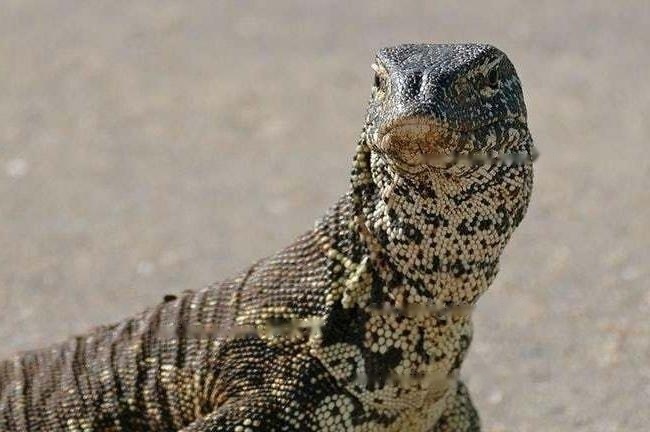
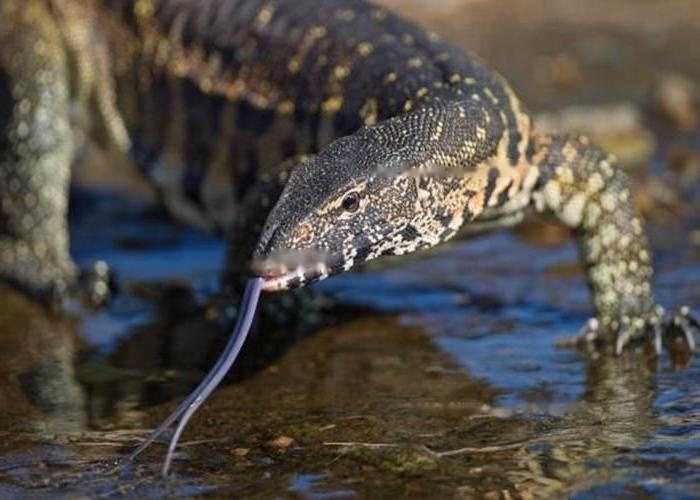
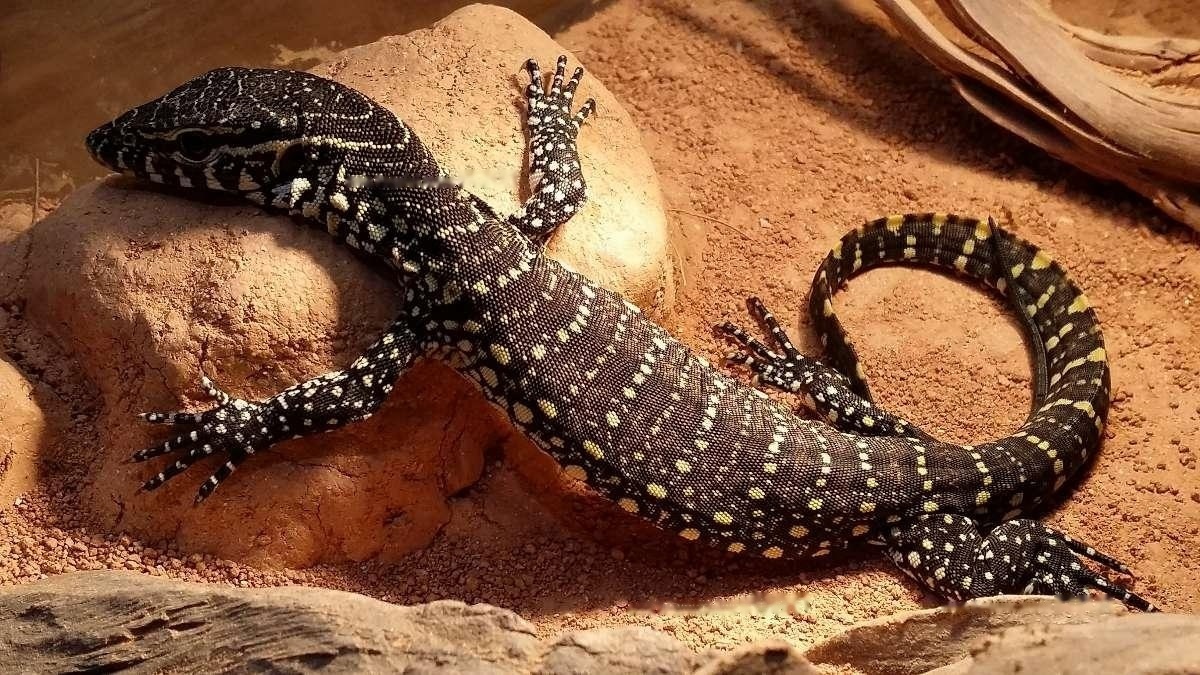
Nile monitor lizards have a relatively slender body, a scaly tail and a pointed head. Juvenile Nile monitor lizards have yellow abdomens and black backs, which are scattered with yellow spots on their backs and yellow bands on their tails. In adulthood, they turn gray-black except for the stripes on their tails, and their body length can reach 2 meters.
III. Living habits
Nile monitor lizards are oviparous animals, laying about 20 to 60 eggs each time, and they often lie in streams or horizontal branches On the dry side, they are very watery and usually feed mainly on frogs, shellfish or small mammals.
IV. Species protection
The Nile monitor lizard is a species in Appendix II of the Convention on International Trade in Endangered Species of Wild Fauna and Flora, and it is a national second-level key protected animal.
These are the introductions about the Nile monitor lizard. You can leave a message below to discuss, or you can continue to follow us to learn more about lizards~

![[Original] Sharing of popular science knowledge of ringed map turtles](/static/img/11249/11249_1.jpg)