I. Basic information
Chinese name: Rat Lemur
Latin name: Cheirogaleus major
Kingdom: Animalia
Phylum: Chordate
Subphylum: Vertebrate subphylum
Class: Mammalia
Subclass: Animals
Order: Primates
Suborder: Prosimian
Family: Rat Lemuridae
Genus: Rat Lemur
Species: Rat Lemur
II. Morphological characteristics
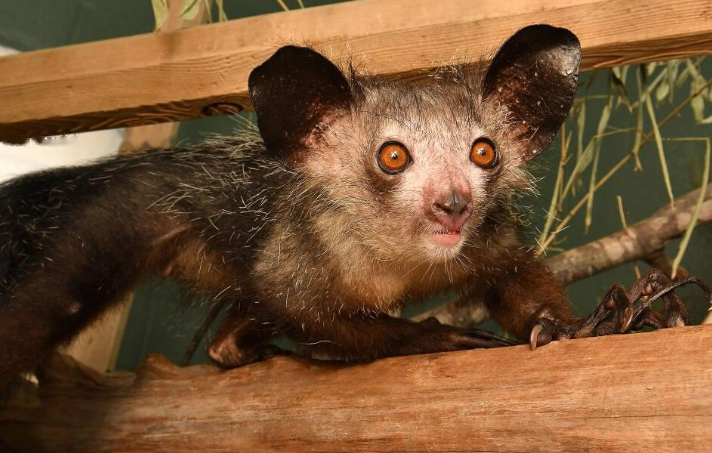
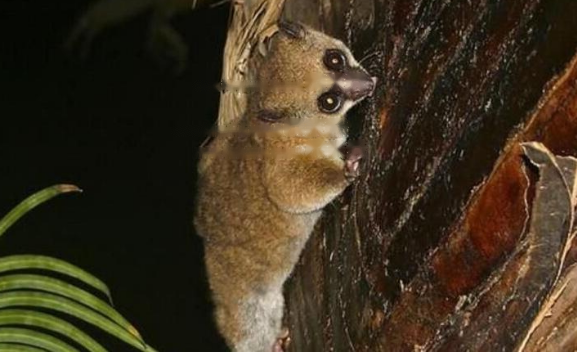
Rat lemurs have a body length of 167-264 mm, a tail length of 195-310 mm and a weight of 164-600 grams. The weight of an adult monkey varies with the season, but is usually around 60 grams. . The fur is densely segmented, grey or reddish-brown in color, with dark circles around the eyes.
III. Living habits
Rat lemurs sleep in branches or tree holes during the day, and are active at night. Their food is mainly fruits, flowers, and nectar. Also eats insects and small vertebrates. The breeding season is from November to February, with 2 litters per litter.
Due to the dry season in Madagascar from July to September, the food is very poor, so the rat lemur turns into a snack food during the rainy season, and eats a lot before the end of the rainy season. The incoming fat is stored in the tail root. In the dry season, metabolized water is used to make up for the body's water needs. Generally speaking, 100 grams of fat is completely oxidized to produce 110 grams of metabolized water. With this little water, the mouse lemur can survive the dry season of water shortage.
Different from the endangered fate of most monkeys, the rat lemur has a perfect score for viability, and the wild population has been kept in a non-hazardous state. Nevertheless, we still need to raise our awareness of protecting wild animals, and let more little cuties stay on the earth~

Subscribe to Newsletter
Professional platform for pets, dogs and cats.
![[Original] Sharing of popular science knowledge of ringed map turtles](/static/img/11249/11249_1.jpg)