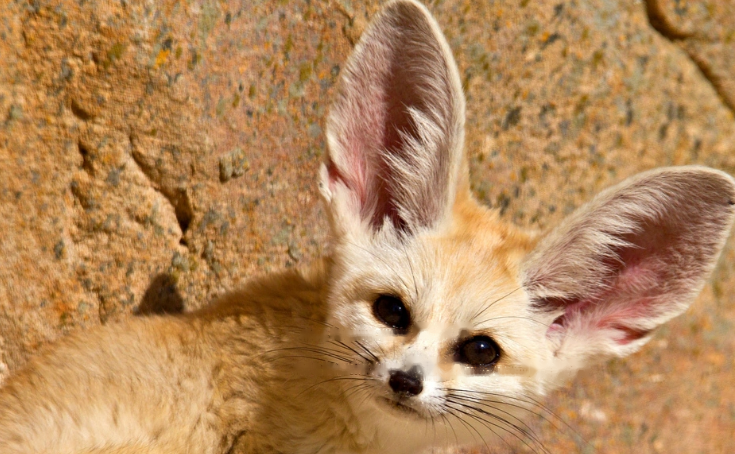
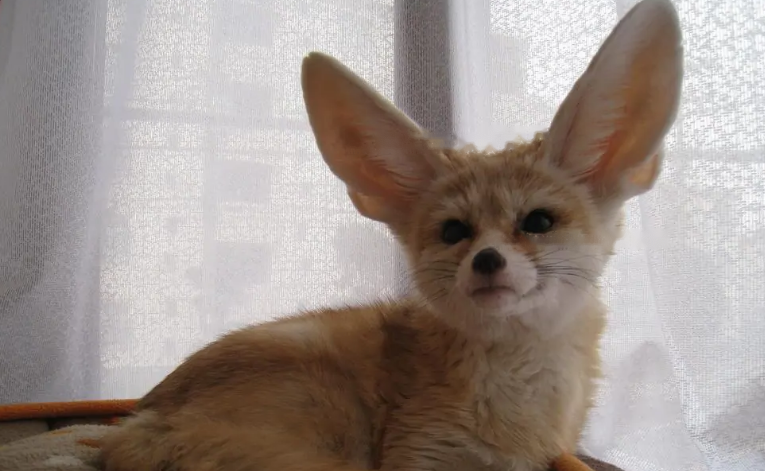
The special feature of the fennec fox is that its ears are relatively large, so it is easy to identify. Because it lives in desert areas for a long time, the climate is relatively hot, so it can dissipate heat through its ears. So, what other features does it have? Please look down~
I. Basic information
[Chinese name] Fennec fox
[Latin name] Vulpes zerda
[English name] ]Fennec Fox
[Another name] Big-eared fox, desert fox
[Kingdom] Animalia
[Door] Chordate
【Subphylum】Vertebrate Subphylum
【Class】Mammalia
【Subclass】Anima
【Order】Carnivora
【Suborder】Canis suborder
【Family】Canidae
【Subfamily】Fox subfamily
【Genus】 Fox genus
[Species] Fennec fox
[Distribution area] North African desert
[Named by] Zimmermann
[Named time] ]1780
II. Appearance characteristics
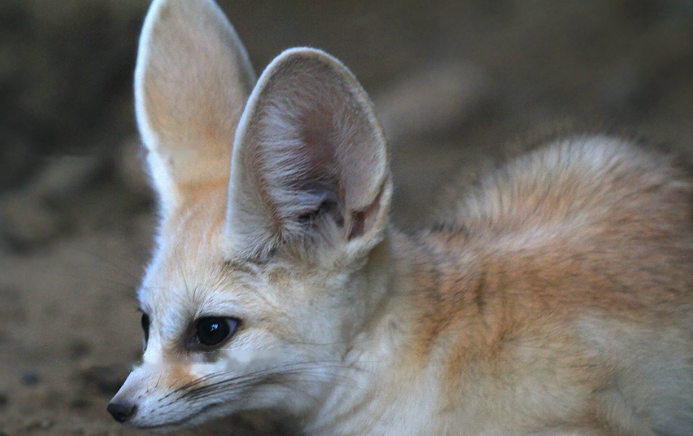
The snout of the fennec fox is small and prominent; the iris is black; the main color of the body hair is light yellow, The face is lighter in color; the dark stripes under the inner eyes extend to the sides of the muzzle; the tail is thick and bushy, with a black tip and a black patch at the base.
Three , Habits
1. Habitat
The fennec fox mainly lives in sand dunes that are easy to burrow, and there are usually grasses or bushes near the burrows.
2. Dietary habits
Fenesh foxes are omnivores, mainly eating some small rodents, lizards, birds, eggs and insects, as well as some fruits and leaves and plant roots.
3. Breeding method
Fenesh fox is a monogamous animal, mating within the territory, and the mate relationship is fixed for life. Their mating period is from January to February every year, and the female fox will give birth in March to April every year, usually a litter of 2-4 cubs, and the newborn cubs weigh about 50 grams.
IV. Population Status
Fenesh fox is a protected animal and has been recorded in a number of protected lists, as follows:
1. The IUCN Red List of Threatened Species is classified as Least Concern.
2. Appendix II of the Convention on International Trade in Endangered Species of Wild Fauna and Flora (CITES).
Okay, the ear The introduction of the skeleton fox, the editor will stop here! Do you guys understand?

![[Original] Sharing of popular science knowledge of ringed map turtles](/static/img/11249/11249_1.jpg)