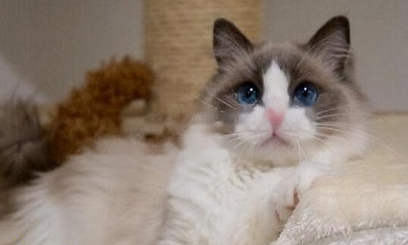
Generally speaking, although Ragdoll cats are breed cats, their bodies are a little worse than stray cats and local cats. But ragdoll cats that are already healthy are not so easy to get sick, especially cats that have been neutered. But if parents are unlucky enough to buy ragdoll cats with poor congenital condition and poor physical fitness, then getting sick may be commonplace. What kind of diseases do ragdoll cats usually suffer from?

1. Dermatomycosis of Ragdolls
Dermatomycosis is mainly spread through contact between animals or through contaminated objects. It can also be airborne in cases where pets are present in large numbers and in denser populations.
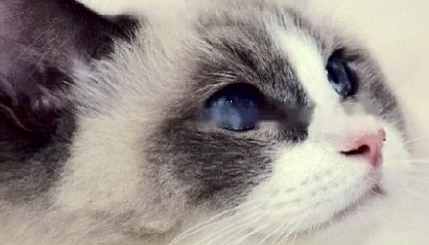
2. Urinary system diseases of ragdoll cats
Urinary system diseases of ragdoll cats are a common disease of cats, and male adult ragdoll cats and old ragdoll cats are more common. Affected ragdoll cats will have frequent urination, difficulty urinating and hematuria. If the owner finds that the puppet cat stays in the litter box for too long and has difficulty in defecation, it may be a urinary system disease.
Third, puppet cat panleukopenia
Ragdoll cat panleukopenia is actually what we call feline distemper, an acute, highly contagious, lethal infectious disease of cats caused by feline parvovirus. It mainly occurs in ragdoll kittens under 1 year old and is the juvenile killer of all cats.
Toxoplasma gondii has been a hot topic for many pregnant and already pregnant owners. In our country, many families have to send away their beloved pets because they are worried that pregnant women will be infected with Toxoplasma gondii. In fact, the CDC points out that pregnant women do not need to avoid cats. Here are some suggestions:
1. For pregnant Blue Stars:
Don't eat raw meat.
Do not eat unpasteurized dairy products.
Do not eat unwashed fruits and vegetables.
Do not drink ambient water unless it is boiled.
After handling raw meat, wash your hands with soap and clean countertops.
Gloves are required when touching flowers, trees and soil.
Wash your hands before eating.
Second, for cats:
Do not feed raw meat or unpasteurized milk to cats.
It is best to keep cats indoors completely and avoid contact with infected soil, animals and raw meat.
Shovel cat litter every day and wash the cat litter box with boiling water often. (Because it takes 1-5 days for eggs in stool to become contagious)
Pregnant women avoid cleaning cat litter, which is a man's job.
Avoid feral cats and do not adopt new cats while pregnant.
Controlling the number of intermediate hosts, such as mice.
Three, other precautions for pregnant women:
Pregnant women have a weak immune system, and they also need to be careful about roundworms and hookworms in pets. These two parasites can also be transmitted to humans.
Regular stool checks and regular deworming can help prevent roundworms and hookworms.
During pregnancy, pets and pregnant women are treasures in the family. If you feel unwell, seek medical attention immediately.

![[Original] Sharing of popular science knowledge of ringed map turtles](/static/img/11249/11249_1.jpg)