When the shovelers are taking care of cats, they find that the cat suddenly doesn't like to use cat litter, and likes to urinate outside the litter box repeatedly. In fact, it is not, and it is likely to be a red flag for a cat's lower urinary tract infection.
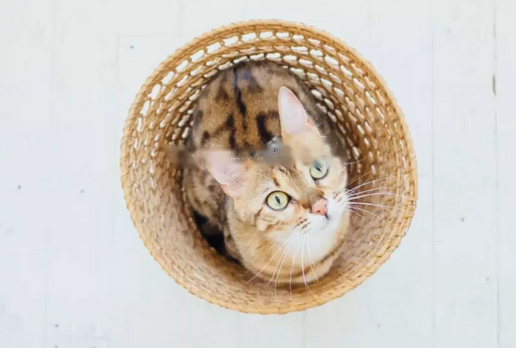
A lower urinary tract infection is an inflammation of the bladder, urethra, and urethral opening caused by bacterial infection.
1. Symptoms
Frequent urination, poor urination, moaning, blood in the urine
licking of the anus and genitals
· Abnormal urination behavior
· Lack of energy
· Vomiting, decreased appetite
Clinical signs of feline lower urinary tract disease vary according to the involved Diseases and organs vary, and clinical signs are easier to see in cats that are constantly indoors, but less so in cats that live primarily outdoors.
2. Diagnosis
· Palpation
When palpating the cat's back abdomen , if the cat does not urinate for a long time, the urethra may be completely blocked, and tension in the abdominal wall can be felt
· urine color
normal urine because of urochrome The presence of a yellowish to amber color usually correlates closely with the dilution and concentration of the urine. In clinical practice, diseases of the genitourinary system often cause blood in the urine.
· Urine turbidity
Fresh urine from normal cats is transparent Or clear, but the transparency of the urine decreases due to the occurrence of disease, the presence of crystals, casts, cells, bacteria, and the contamination of external containers make the urine cloudy, and suspended particles in the urine can even be observed with the naked eye.
·Smell
Except for certain diseases that can cause urine to have a special smell, in general, cat urine, especially male cats The urine has a characteristic pungent odor. The smell of urine is not significant for the diagnosis of the underlying disease.
·Urine pH value
pH value is an index to test the pH value of urine. Use pH test paper to test urine. When the pH value is less than 7.0, Urine is acidic, and when it is greater than 7.0, it is alkaline. When measuring the pH value, the urine to be tested must be fresh, drop the urine on the test paper, and determine the pH of the urine according to the color mark on the pH test paper package.
· Abnormal behaviors
Such as licking the anus and genitals, abnormal urination behavior, frequent urination, poor urination, etc.
· Pet Ultrasound X-ray and laboratory examination in the hospital
If the cat has only urinary tract symptoms, it indicates bladder - Urethritis; if the cat has systemic symptoms such as dull coat and weakness, it indicates partial or complete urethral obstruction. Male cats are generally more susceptible than female cats, with castrated (neutered) male cats and long-haired cats (especially Persian cats) having the highest incidence. Male cats are more common in urethral obstruction, female cats are more common in cystitis and urethritis.
· Infections caused by microorganisms such as disease or bacteria
Tumors, trauma, vesico-urachal diverticulitis, neurological disorders and other diseases can cause cats Lower urinary tract inflammation or similar symptoms. Inflammation of the lower urinary tract in cats usually reduces the body's resistance, allowing bacteria to multiply in the urethra and bladder.
· Abnormal urinary tract structure
The urethral structure of male cats is thin and long, of which the bulbourethral gland and the penis are the two most narrow and most prone to blockage. Urinary tract structural abnormalities such as bladder diverticulum and bladder hypoplasia are also prone to urinary tract infections and stones. Urethral strictures caused by hypertrophic scar tissue can also cause inflammation of the lower urinary tract in cats.
·Diet structure and nutrition
The pet's diet structure is unreasonable and the diet is relatively simple. Frequent feeding of high protein mistakes can easily lead to an imbalance of calcium and magnesium ratio, and it is easy to form crystals and stones; dry cat food with high fiber content is difficult to digest, resulting in an overall increase in magnesium intake and causing stones; long-term feeding of dry cat food in large quantities can cause Increased feces and increased excretion of water through the feces lead to decreased urination in cats, resulting in increased urinary magnesium concentrations in the bladder, resulting in retention in the bladder and urethra, causing stones and inflammation; failure to drink adequate amounts of fresh water, also Diseases of the lower urinary tract.
·Neural factors
In some cats, lower urinary tract infections are caused by neurological factors, such as bladder paralysis, urethral spasm, urinary tract constrictors Coordination exceptions, etc.
· Iatrogenic factors
Probing of catheters, irregular use of catheters, inappropriate type of catheters, catheterization Repeated use of tubes, reverse flushing through catheters, catheters indwelling in the bladder and urethra, and urethrostomy, etc., cause urethral mucosal damage, urethral rupture or bacterial infection, resulting in proliferative stenosis of the urethra, leading to cat Urinary tract disease.
·Urine pH
The ideal time to measure urine pH is within 4-8 hours after the cat feeds, normal. Under normal circumstances, the pH value of cat urine should be maintained between 6.2 and 6.4, so that the pH of urine is not conducive to the formation of crystals and stones, thereby reducing the occurrence of lower urinary tract infections. The pH of cat urine is largely affected. The effect of cat diets, many standard cat foods will have an increase in pH after the cat eats it.
·urethral obstruction
In clinical practice, the most common causes of lower urinary tract obstruction in cats are crystals and stones. The conditions for crystal and stone formation include: urine Excessive levels of salt in the urine, prolonged retention of urine, suitable pH for salt to form crystals, and reduced levels of substances in the urine that inhibit crystal formation.
·Other factors
The cat's obesity makes the cat lazy and unwilling to exercise, which leads to the cat's reluctance to urinate and reduces the frequency of urination, resulting in Urine retention. Some cats are prone to anxiety and dislike their dirty water basins and litter boxes, resulting in reduced drinking and no urination. In addition, castration surgery, cold weather, stress, and stale drinking water can all be causes of urinary tract infections in cats.
Conservative therapy and surgical therapy are performed according to whether the lower urinary tract of the cat is blocked during treatment
Conservative therapy includes catheterization, diet, symptomatic treatment, Usually the owner can only take dietary treatment and medication.
·Diet management
Change the diet structure before the onset, reduce the intake of high-protein food, and feed various nutritious cat food; avoid Excessive intake of magnesium, phosphorus, calcium, chlorine, fed low-magnesium prescription food. Control the number of feedings, eat less and eat more frequently, feed nutritional cream appropriately, and encourage drinking a lot of fresh water.
When purchasing cat food, try to choose cat food produced by major manufacturers. The quality is guaranteed, the packaging is exquisite, and there are specially designed and manufactured moisture-proof bags. When buying, pay attention to the nutritional composition table after the packaging bag. The protein content of high-quality cat food is 21%~24%, and the ingredient table is fish broiler chicken and other animal protein, and the fat content is 8%~ 16%, 10% moisture, 3%~4% fiber, 1.5% calcium, 1% phosphorus
· Medication
Yes Apply chlortetracycline or mycin ointment to the urethral opening and external genitalia; Suo Nuo (twice a day, half a tablet each time), Miriam (one tablet once a day, each time), Urinary Tongshu (twice a day, each time 1/4 tablet)
If the cat is seriously infected, it is recommended to send it to the hospital for infusion to reduce inflammation. If there is urethral obstruction, surgery should be performed in time.
Precautions for cats after surgery:
·Diet care
For cases just after surgery, due to the effect of anesthesia It is not easy to give food. You can drink a small amount of water to moisten your mouth. When you can feed food, it is recommended to give prescription food, eat less frequently, and add some nutritional cream if necessary. The drinking water should be kept fresh and sufficient. If the cat can accept wet food, the cat food can be soaked in water to soften and then fed.
·Post-operative environment
After the operation, the cat's environment should be kept clean and hygienic, and the cat can be placed on a clean diaper. The ambient temperature is suitable. If the cat's body temperature drops, a warm water bottle can be placed next to the cat. Make sure to replace the new cat litter in time, clean and disinfect the items used by the cat, and do not exercise vigorously to prevent the wound from cracking.
·Medical support
In terms of promoting stone removal, traditional Chinese medicines such as Bazheng Powder for preventing stones can be given. Fossil medicine: Money Fossil Capsule: It is composed of money grass, mallow seed, morning glory seed, black medicine, hyssop, sea sand, phellodendron, galangal, rhubarb, soil soft-shelled insect, licorice shoot and so on. Take 1 capsule/10kg body weight orally, 2 times a day. Take the medicine for 3 weeks and take a week off until the disease is cured.
·Wound Care
The cat should wear an Elizabethan ring after surgery to prevent biting the wound. The wound should be disinfected daily and kept dry after cleaning.
· To understand the usual living habits of sick cats, you should promote more exercise for fat cats , to encourage the cat to urinate in a clean litter box.
· Optimize the cat's dietary structure, feed less high-protein food, and can feed prescription food with low magnesium and acidified urine. The water should be fresh and sufficient, and if necessary, place a few more water basins where the cat likes.
· The cat litter should be replaced in time to ensure clean urine. Keep the feeding environment constant to reduce unnecessary stimulation and stress.
· Conduct regular physical examinations on sick cats, so that problems can be detected and resolved early.
Lower urinary tract infections in cats are usually caused by unreasonable diet and poor living environment. Catching the source of the disease can effectively prevent the occurrence of lower urinary tract infections.
If parents have time, they can also give cats Chinese medicine for urinary tract infection, dysuria, and blood in the urine, which also has good curative effect.
·Prescription 1
Addition and subtraction of Bazheng San: Mutong, talc (cloth bag) each 6g, psyllium, , Qu Mai, Honeysuckle, Gardenia, Forsythia, Treats, Rhubarb each 3g, decoct in water.
·Prescription 2
Addition and subtraction of Xiaoji Yinzi and Bazheng San: Xiaoji and talc (cloth bag) 6g each, Stir-fried Puhuang 4g, fresh cogongrass 15g, Shengdi, Mutong, Qumai, Angelica root, licorice shoots 6g each, simmer in water.
Administration method: Mix the traditional Chinese medicine with cat food after decocting.

![[Dog Training 5] The training method of pet dog dining etiquette](/static/img/12192/12192_1.jpg)