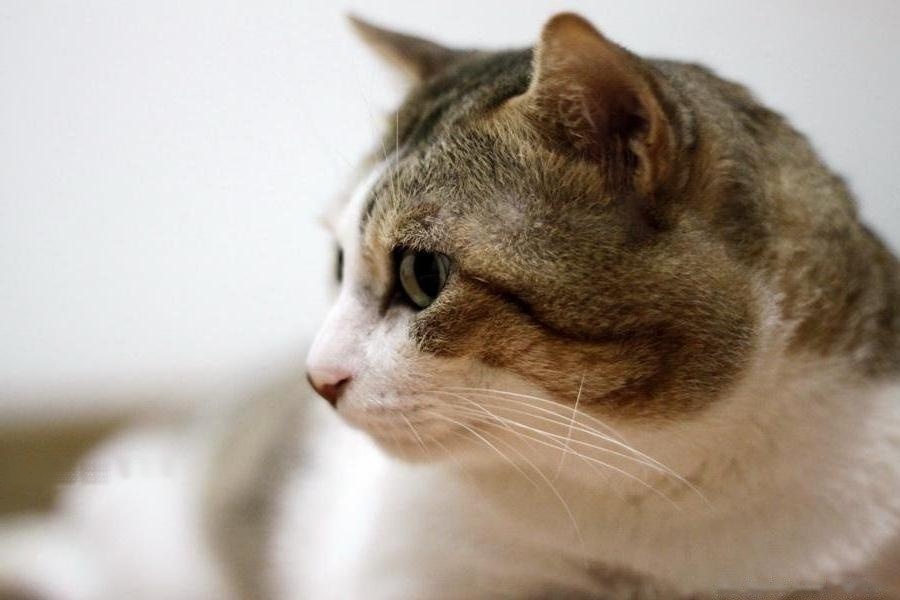
After the cat is six years old, it belongs to the senior cat. Many organs of the body begin to age and officially enter the old age. Older cats will show various symptoms, such as muscle loss, tooth loss, etc., and their ability to adapt to the environment will also deteriorate during this period, so they need better care.
1. Pay attention to cats changes in old age
1. Gradual loss of vision
Cataracts in the eyes are likely to be related to lens sclerosis. Confusion, but a cataract is an opaque lens that prevents light from being transmitted to the retina, which affects vision. If surgery cannot be performed or surgery fails, the cat's vision will gradually and completely lose.
2. Gradual atrophy of the iris
The iris tissue of the eye will form a lunar eclipse or honeycomb in appearance after the iris fiber ruptures, and then gradually form a real hole, which will make the cat's crystal A bluish or grayish haze appears, but this does not affect the cat's vision and does not require treatment.
3. Gradual hearing loss
If this phenomenon occurs in old cats, its treatment is very difficult, and for cats, the risk of accidents is relatively high, so to ensure To be safe, the cat should be kept indoors at all times, and should only be taken outside under close monitoring.
2. Nutrients that old cats should take in
1. Pay attention to energy requirements
Old cats have a slower metabolic rate, so their energy requirements will be higher. At this stage, if the owner still feeds the kitten or adult cat food, or even canned cat food, it may cause the cat to become obese and affect its health.
2. Reduce fat content
Old cats do not have enough ability to metabolize or excrete excessive protein metabolites, so the given fat should be highly digestible and rich in essential Fatty acids to compensate for poor digestion and absorption in older cats and to aid in the absorption of fat-soluble vitamins.
3. A small amount of fiber
Adding a small amount of fiber to food can not only control calorie intake, but also improve intestinal function. Moderately increase the intake of vitamins A, B1, B2, B12, and E for old cats, and can maintain posture and intestinal function.
Slightly restricting the intake of phosphorus can reduce the burden on the kidneys!
3. General daily care of old cats
1. Dental health care
Cats are particularly intolerable to oral pain and diseases, which can lead to food loss, lack of thirst, dehydration, and lethargy. Once treated by a veterinarian, the owner must also carry out daily oral care at home. to prevent recurrence of the disease.
The owner can use different methods recommended by the veterinarian, such as toothbrushes for dogs and cats, toothpaste and other products, and give dry food.
2. Daily grooming
Old cats should groom their cats regularly every day, which not only helps the health of the fur, but also helps prevent abnormal cat behaviors happened. By grooming the cat's fur, it can also enhance the sense of intimacy and trust between the cat and the owner.
3. Vaccinations
Many people think that old cats do not need regular vaccinations every year. Therefore, for old cats, regular vaccination is more urgent.
IV. Pay attention to the prevention and treatment of cat diseases
1. Common diseases
such as chronic renal failure, hyperthyroidism, diabetes, liver disease, and Chronic bronchial disease, etc. In addition to tumors caused by leukemia viruses, the incidence of tumors increases with age, and most of these occur in cats over five years old.
Although neoplastic diseases are more common in dogs than in cats, cats are more likely to develop malignancies than dogs.
2. Differential diagnosis of tumor
When any disease occurs in an old cat, tumor disease should be included in the differential diagnosis, especially any abnormal mass on the surface or inside of the body should be Suspect the possibility of malignancy. If this phenomenon occurs, seek medical attention as soon as possible to ensure the cat's health.
3. Standard for the use of drugs
There is no certain standard for the dose of drugs for old cats. Generally, the lowest recommended dose and the longest dosing interval are used. The drug must be administered with great care, and the efficacy of the drug should be assessed frequently, and if any adverse reaction occurs, the drug should be discontinued immediately.
4. Special care for diseases
Old cats need special care when they suffer from certain diseases, such as chronic renal failure, hyperthyroidism, diabetes, liver disease and chronic bronchial disease; All kinds of diseases have different care methods, and most of them can be specially cared for in terms of diet and life.
5. Other precautions for taking care of old cats
1. Balanced feed
If the owner feeds the cat with a nutritionally balanced food, if there is no special The food does not need to be changed when the cat is old, and a balanced diet of vitamins and minerals can meet the special needs of any old cat.
2. Taste-enhancing food.
Old cats often suffer from poor food due to various factors, sometimes giving some fish or fish oil, etc. Foods with a strong taste can stimulate and attract food that has been reduced due to the reduced ability to taste and smell, so as not to reduce the physical strength and activity of the old cat.
3. Reduce adult cat feed
For feeding old cats, it is not just to reduce the amount of adult cat feed. Although this method can achieve the purpose of limiting protein content, it is the same. It can also cause deficiencies in other nutrients.
4. Special feed for old cats
It is best to choose old cat feed specially designed for old cats, because the sense of smell and taste of old cats will gradually become less sensitive with age. The feed must therefore be of high quality, rich in all essential nutrients, and of great taste.
5. Feed a small amount of food frequently
When the cat is in old age, some aspects of feeding are closer to the way of the kitten, because the cat's digestive system degenerates After that, the function gets worse and worse. For example, it is necessary to eat more meals and less food, and not to change the food at will, which is easy to cause gastrointestinal discomfort and so on.

![[Dog Training 5] The training method of pet dog dining etiquette](/static/img/12192/12192_1.jpg)