Water quality control is a very important part of raising ornamental fish. Changes in water quality can easily cause diseases to fish. In fact, the adjustment of the temperature of the fish tank is also a kind of knowledge. When should it be heated? When should it be cooled? Follow the editor to understand it!
1. Changes in water quality only affect the fish
1. Standing scales caused by water quality. 2. Anti-gills caused by water quality.
3. Scale defects caused by water quality. 4. Bacterial infection caused by water quality.
5. Blindfolding caused by water quality. 6. Various diseases caused by water quality.
Extended reading: The correct way to add salt to fish culture
2. Pay attention to cooling the seawater tank in summer
1. The suitable environment for the seawater tank:
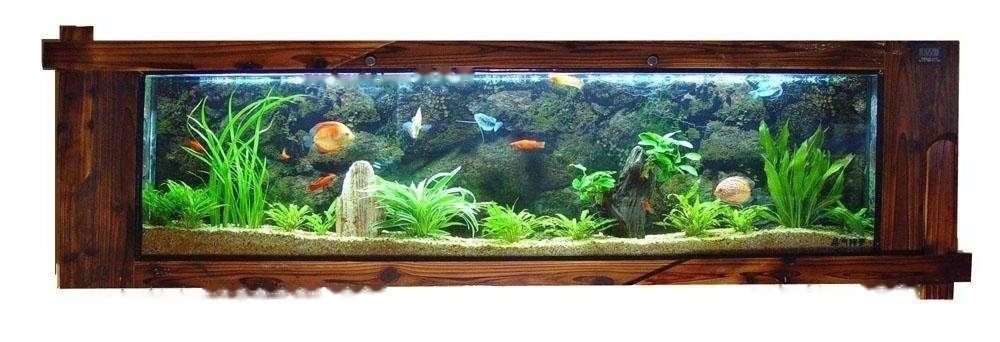
Coral reefs, mollusks, marine fish, and shellfish are all suitable aquariums for our marine aquariums. They live in the 4-15 meters of the tropical ocean. Ocean currents are the right temperature.
2. Keep the temperature of the seawater tank:
The temperature is very important for the seawater tank, keep the temperature of the fish tank between 25-27 degrees. For seawater tanks, when the water temperature is lower than 20 degrees or higher than 30 degrees, it is not conducive to the growth and life of the aquarium.
3. Avoid direct sunlight:
The seawater tank should be placed in a cool place, preferably in a space without direct sunlight, rather than on a balcony, etc. A place where sunlight can shine. In summer, the room should also be well ventilated so that the temperature in the room will not be too high.
4. Use a suitable motor:
At the same time, there should not be too many submerged motors in the seawater tank, properly calculate the required amount of filtered water, and use a suitable motor, or When the temperature is too high, stop some auxiliary pumping motors.
5. Heat removal of lamp gas:
The irradiation of lamps in summer is also a major cause of water temperature rise, but lighting is very important for seawater tanks. The breeder can properly elevate the lamps and exhaust the fan backwards, so that the gas is concentrated from the front to the rear of the tank to achieve the effect of convection.
3. Temperature control of water change in fish tank
1. Temperature of fish tank water:
It should be noted that the temperature of water change is higher than that of fish tank water. The temperature is preferably 1-3 °C higher, and a large amount of cold water should not be added by all means, as the reduction of the water temperature will bring many problems.
2. Chlorine control in water:
Chlorine control is very important. Of course, it is best to be trapped in water if conditions permit, or to use water from a water heater. Appropriate use of water quality stabilizers is also Great way to remove chlorine.
3. Change of water pH:
The change of pH of each water change should be less than 0.3, otherwise it will cause the imbalance of blood pH, metabolic disorder and aggravation of fish due to excessive pH change. The condition of the fish, so it is necessary to prepare an accurate pH pen.
Fourth, the purpose and method of warming the fish tank
1. Warming up destroys water quality:
Although warming may cause bacteria to multiply and destroy water quality, warming can strengthen the The immune defense ability of the fish, enhancing the fish's constitution to resist the disease, is very important for the sick fish.
2. Stimulate the immune system:
The real purpose of warming up is to stimulate the immune system of the fish, increase the metabolism of the fish to fight the invasion of germs and toxins, rather than relying on the three Five degrees to directly sterilize. But the small melon bugs with white spot disease can be killed directly by heating up.
3. Reasonable heating method:
The reasonable heating range should be 3-6 ℃ higher than the original tank water. -34°C. The heating should not be rushed. Except for special cases, it is best to raise the temperature by 1-2 degrees a day, and try not to raise it too high all at once.
4. Sufficient oxygen supply:
Special attention should be paid to the temperature rise to ensure sufficient oxygen supply, because after the temperature rises, the respiration of fish will be strengthened, the reproduction of bacteria will be accelerated, and the oxygen demand will be reduced. increase. It is recommended that warming should be used in conjunction with salt to reduce the burden on the fish infiltration system.

![[Dog Training 5] The training method of pet dog dining etiquette](/static/img/12192/12192_1.jpg)