Have you ever had a teacup dog? Do you think it's too small? If you haven't, I suggest you get one, it's very easy to raise and super cute Oh! Through this Baidu experience, I want you to know more!

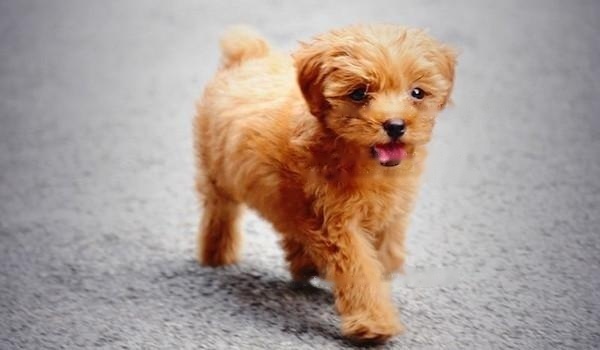
The teacup dog originated in the United States and developed in Japan and South Korea , has now been further improved. So the so-called teacup dog does not refer to a single breed of dogs. There are currently 5 to 7 types of teacup dogs that are relatively stable, namely: teacup VIP, teacup Yorkshire, teacup Maltese (Malta), teacupChihuahua, teacupPomeranian and more!
Raising common sense
Food requirements
Puppy life should be regular . Feeding should be timed, quantitative, and nutritionally balanced. Don't let puppies develop the bad habits of picky eaters and cause nutritional disorders. Pay attention to prevent hypervitaminosis (especially vitamin A or D) or calcium deficiency. Puppies should not overeat, generally 7 to 8 minutes is enough. It is strictly forbidden to feed spoiled food, and it is best to wash the food bowl every time you feed, so as to prevent diarrhea or food poisoning.
Health Observation
Pay close attention to the puppy's bowel and bladder condition to determine whether it is normal. Cute Teacup Dog Atlas(20 photos) The frequency of defecation generally varies with the age of the dog. In January, the older dogs are several times a day, and by the age of February, the average is about 3 times a day. The frequency of defecation is related to the type of food: for example, when feeding meat and rice, the amount and frequency of feces are less; when feeding a lot of starchy food, the frequency and amount are more. Pay attention to the color, smell, and presence of worms in your puppy's stool. Normal stool is strip-shaped, moderately soft and hard, and usually yellowish in color. But it is also affected by food. For example, when eating more meat or feeding some liver, the feces are generally black. The frequency of urination also varies with the age of the dog. For large dogs in January, about once every 2 hours, about 5 to 6 times a day for large dogs in February. Urine that is pale yellow and clear and transparent is healthy. The first time you urinate in the morning, the color is slightly darker, but if you find that the urine color has been darker, you should suspect whether you are sick, and it is best to go to the animal hospital for examination. It is best to go to the animal hospital for a physical examination once a month, test large and urine, and expel intestinal parasites if necessary. Note: Look for a reputable animal hospital with good facilities. Puppies are afraid of cold, so whether it is winter or summer, you must pay attention to keeping your puppies warm.
Health Care
Do not let the puppy rest on the belly for a long time, it is easy to catch cold, cause diarrhea or cold. Whether it is a small dog or a large dog, it is not advisable to take it for a walk on the road before 5 months. Because the skeleton of the puppies is not fully developed, walking for a long time can cause deformation of the bones of the limbs; at the same time, it is very susceptible to diseases outside. Appropriate play and exercise can be done indoors or in the courtyard. When the sun is not too strong and the outdoor temperature is not too high, the puppies bask in the sun and sunbathe, which is conducive to bone growth.
Precautions
With the increase of body weight, the nutritional requirements increase, and it is necessary to meet the needs of calcium at the same time, otherwise the dog will be prone to rickets, resulting in deformation of the long bones of the limbs or swelling of the joints etc., the O or X legs appear. Large dogs with a medium size and above should pay more attention to observe whether there are changes in the shape of the front and rear limbs. Adjust the balance of calcium and phosphorus in time, often irradiate ultraviolet rays (basking in the sun), and supplement the deficiency of vitamins A, D, and E. The dog should not be out for too long. Generally, 4-month-old dogs should not be on the road often. Take a walk to prevent the limbs from deforming.

![[Dog Training 5] The training method of pet dog dining etiquette](/static/img/12192/12192_1.jpg)