Akita can be trained regularly to ensure the safety of multi-headed dogs. Akita dogs are usually more stable, and dogs generally do not bite each other, but once they bite, it is a life-and-death fight, and they will hold grudges very well. Therefore, in normal management, we should provide them with opportunities to play with each other, and in training, we should strengthen cooperation and practice.
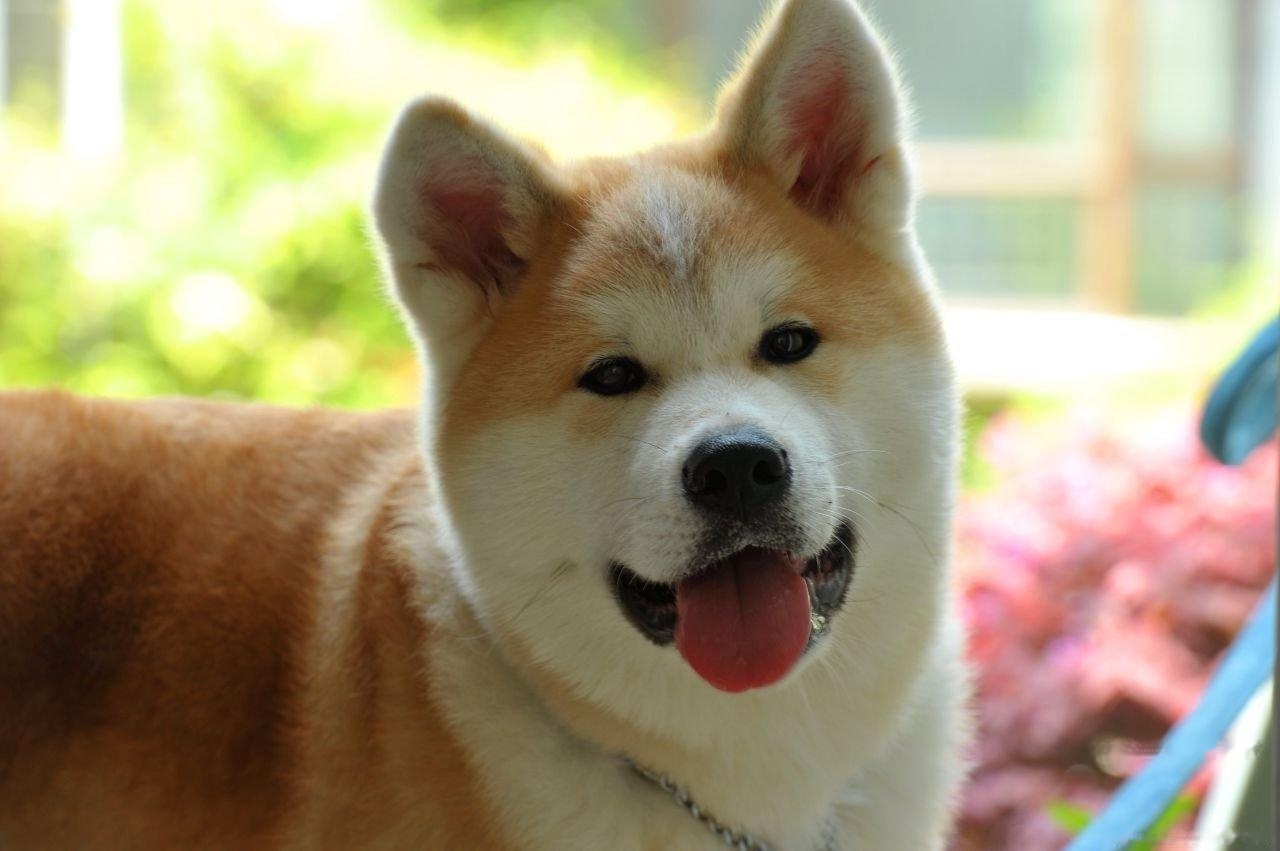
1. Akita dogs must be trained regularly to ensure the safety of multi-headed dogs.
Akitas are usually more stable, and dogs generally do not bite each other, but once they bite, it is a life-and-death struggle, and they will hold grudges very well. Therefore, in normal management, we should provide them with opportunities to play with each other, and in training, we should strengthen cooperation and practice. For example, when training a multi-headed dog to bite, which dog bites first, and which dog bites later, the trainer and the trainer must arrange and design in advance which part to bite.
Second, once the Akita dog inhibits a certain password or a certain gesture, it is difficult to overcome.
Akita dogs are more stubborn in temperament. Once they are inhibited in a certain subject, they will refuse to accept the master's orders or even avoid homework. Therefore, in the training, you must develop several sets of programs, and master the proportions.
3. Basic subject training can be interspersed with using subject training.
Basic subject training, especially physical basic subjects (sitting, lying, standing, coming, etc.) generally have strict requirements, and accompanied by a certain amount of mechanical stimulation, it is easy to cause inhibition in dogs. The Akita dog itself has a slow response, and the training time of the basic subjects is too long, which is undoubtedly not conducive to its skill development. If we interspersed the training subjects with the use subjects [because the use subjects have many game elements, the dog is happy to do it, then It is very beneficial to the development of the dog's ability. The training of basic subjects to develop good behavioral norms for dogs, and the use of training subjects to promote the flexibility of the mutual transformation of the dog's neural activity process.
Fourth, the training of inhibitory subjects must be patient.
The Akita Inu is excited and active, and it is difficult to train inhibitory subjects. Therefore, it is necessary to master the principle of step-by-step training, choose a clean environment as much as possible, and use long-distance short-time and short-distance long-term alternating training. method, and gradually cultivate the dog's ability.

![[Dog Training 5] The training method of pet dog dining etiquette](/static/img/12192/12192_1.jpg)