Every year the company arranges annual inspection or something. For the sake of their own health, even if many companies do not provide this service, many people will go to the hospital for a medical examination by themselves, so the tortoises we raiseIs there a need for a physical examination? Which part of the examination will be required? How should the examination be carried out?
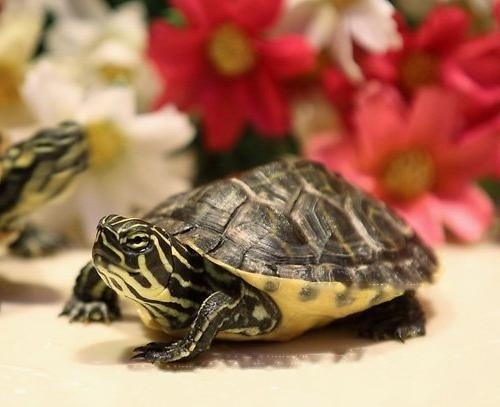
eyes:
When checking the turtle's head, use your thumb and forefinger to clasp the back of the head when it's not paying attention, and move quickly, otherwise it will be difficult to check if the turtle is peeling Too much may be caused by skin problems or nutritional imbalances.
The turtle's eyes should be very clear and bright. If it is found that the eyes and the face are swollen and more tears are formed, it means that there is a problem with the eyes, and the clinical symptoms appearing in the eyes are Conjunctivitis caused by vitamin A deficiency is more commonly seen, especially during development.
Ears:
The tortoise's ear does not have a closed tympanic chamber behind the eye like the normal mammalian outer ear. A common problem with the ear is an abscess. An abscess sometimes causes secretions to pass from the Ostrich canal into the back of the throat. This often results in cellulitis in nearby tissue, or the pus becomes hard and concentrated.
Nose:
If the tortoise has a respiratory infection, it is often found that the front of the nose is wet and sometimes bubbles may form, even in the In severe cases, there will be pus-like secretions, which must be dealt with quickly, otherwise the consequences will be serious and even cause death.
Mouth:
Inspecting a turtle's mouth is often not an easy task, unless it is done quickly and kowtows when it is not ready. The back side, otherwise once the glans is retracted into the shell, it will be difficult to pull it in again. If necessary, anesthesia is the last resort. After opening the mouth, pay attention to whether there are erythema, bleeding spots, necrosis, jaundice or caseous disease as the basis for disease diagnosis.

![[Dog Training 5] The training method of pet dog dining etiquette](/static/img/12192/12192_1.jpg)