Goodness is like water, water benefits all things without fighting, yes, all things need water to grow, and water is closely related to the growth of living things, especially aquatic creatures, like tortoise Most of the time is spent in the water, but occasionally it is necessary to climb ashore to breathe, so feeding turtles, water is very important, so keeping the water clean is very necessary for the growth of turtles.
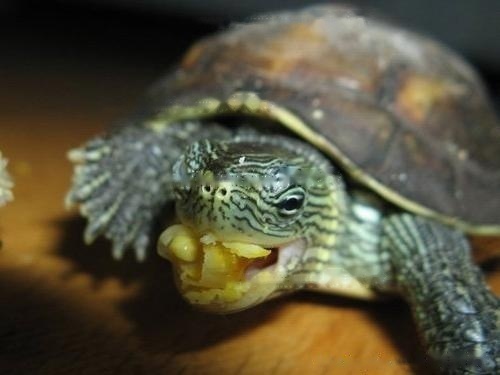
Generally, tap water is used for raising water turtles, which is basically neutral water. Its hardness and pH meet the requirements of raising water turtles, so there is no need to worry too much in this regard. However, when the tap water is used to raise water turtles, the chlorine gas must be removed. The main methods are drying method and chemical method. The method of drying selenium is to dry it in the hot sun for two days, or dry it in a light-deficient place for 4 to 6 days before use. The chemical method is to use sodium thiosulfate to remove chlorine, and the ratio is to add 1 gram of sodium thiosulfate to every 10 kilograms of water, stir and dissolve, and then it can be used.
Water turtles constantly excrete feces, and the residual erks in the water are also constantly oxidized and rotted, all of which will produce harmful substances, make the water quality cyclical, affect the normal activities of the turtles, and make the turtles sick and even dead. . Therefore, it is necessary to change the water frequently and timely to keep the water quality fresh, so that the turtles can grow normally. Water changes Partial and full water changes. Partial water change is also called watering, which is to use a siphon to suck out the turtle feces, residual bait and other dirt at the bottom of the fish tank.
The appropriate amount of water absorption is about a quarter of the amount of water in the tank, and a certain proportion can be reduced for large fish tanks. In short, it depends on the specific situation. After the dirty water is sucked out, add new water of the same amount and temperature that has been dried or chemically dechlorinated. If the water temperature is low, you can add boiling water or use a heater to heat the water to the water temperature in the tank, and then add the new water into the tank. Inside. The frequency of adding water should be twice a week in autumn and winter; three times a week in spring and summer.
All the water changes should be done when there is a lot of dirt in the tank, and the aquatic plants and bottom sand need to be re-cleaned. All the water changes should take out all the equipment in the fish tank, take out the aquatic plants, and remove the turtles. Take out all the turtles and temporarily put them in other containers at the same temperature as the original water. Use a sponge or sand cloth to scrub the tank wall and bottom of the tank, and then suck out all the water. If necessary, wash it again with a small amount of concentrated salt water, and then rinse it again with clean water. The bottom sand and aquatic plants should be washed once, the bottom sand is best washed with concentrated salt water, then rinsed, and then refilled the tank. The frequency of all water changes is preferably from two weeks to once a month, but if the water quality changes, the water should be changed at any time.

![[Dog Training 5] The training method of pet dog dining etiquette](/static/img/12192/12192_1.jpg)