Dogs Rhinitis is caused by foreign body irritation, trauma or secondary infection from certain diseases, causing sneezing, nasal congestion, swelling and other symptoms in dogs. The disease can occur all year round. Next, Xiaobian will analyze the causes of canine rhinitis for you.
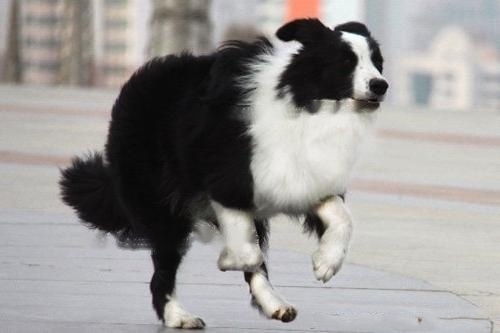 BorderSheepdog
 1. Dogs Causes of rhinitis
1. The weather is cold and the nasal mucosa is stimulated, leading to congestion, exudation, and even the bacteria remaining in the nasal cavity, which then develop and multiply, resulting in mucosal inflammation.
2. Inhalation of ammonia and chlorine gas, smoke, dust, pollen, insects, etc. directly stimulate the nasal mucosa, which will cause inflammation of the nasal mucosa.
3. Continue to develop or spread to surrounding organs.
Second, diagnostic points of dog rhinitis
1. Acute rhinitis
When , the nasal mucosa is flushed, swollen, frequently sneezing, and often shakes the head or scratches the nose with the front paws, while one or both nostrils runny nose, initially transparent serous, and then transformed into serous mucous Or mucopurulent nasal discharge, which forms dry crusts around the nostrils after drying.
When the condition worsens, the nasal mucosa becomes very swollen, which causes the nasal cavity to become very narrow, making it difficult to breathe, and the sound of nasal congestion can be heard. When conjunctivitis is associated with the disease, the eyes will water. When concomitant pharyngitis occurs, there is difficulty in swallowing, often accompanied by cough, and swelling of the mandibular lymph nodes.
2. Chronic rhinitis
The onset is continuous and slow, the runny nose is sometimes more and sometimes less, and it is mostly mucopurulent. If the inflammation is not treated in time, it may cause bone necrosis and tissue disintegration, so the nasal mucus may be mixed with blood and odor. The cause of suffocation or encephalopathy is mostly chronic rhinitis, which must be taken seriously.
According to the symptoms of the nasal cavity, if the nasal mucosa is found to be flushed, swollen, runny nose, sneezing and scratching the nose, etc., it needs to be diagnosed immediately.
3. Prevention and treatment of dog rhinitis
Dog rhinitis is also closely related to air quality. Therefore, it is best not to take sick dogs out on foggy days, and even healthy dogs should avoid going out on foggy days. Dirty air is most likely to cause respiratory diseases and rhinitis in dogs.
To treat rhinitis, first of all, you need to understand the cause, then put the dog in a warm place, and to stop training, you need to rest properly. Usually mild acute rhinitis can be cured without taking medicine.
For severe rhinitis, choose the following medicines to rinse the dog's nasal cavity: 1% saline solution, 2-3% boric acid solution, 1% sodium bicarbonate solution, 0.1% potassium permanganate solution, etc. When rinsing the nasal cavity, the dog's head must be lowered, and after rinsing, the anti-inflammatory agent is dripped into the nostrils.
To promote vasoconstriction and reduce sensitivity, you can use 0.1% epinephrine or phenyl salicylate (salo) paraffin oil (1:10) to instill in the nostrils, and nasal drops can also be used.

![[Dog Training 5] The training method of pet dog dining etiquette](/static/img/12192/12192_1.jpg)