Under normal circumstances, we seldom perform sterilization operations for Chinchillas, firstly because most owners usually only keep one chinchilla alone, and secondly if they do not want their chinchillas to give birth, Just keep them in separate cages. This can also avoid the impact of surgery on chinchillas. It's just that some owners feel that it will be a bit lonely and monotonous to let a chinchilla live alone, so they will keep two chinchillas together, and in order to prevent their chinchillas from breeding when they are in heat, they will choose for their chinchillas. The cat is neutered.
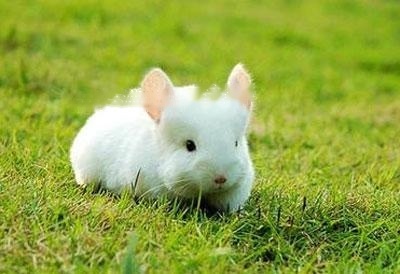
Pure White Chinchilla
1. Thin skin: Chinchillas' coats are quite soft, and their skin is also very thin, so they are relatively fragile. Therefore, it is a more troublesome work to suture after the incision.
2. Thin abdominal muscle layer: abdominal organs can be seen through the abdominal wall muscle layer, similar to translucent. This is enough to indicate that the abdominal wall muscle layer is very thin. Therefore, postoperative suturing and related care are more difficult tasks.
3. The intestine is very thin: The intestine of chinchillas is like plastic paper, transparent and thin. During the operation, you must be careful. A little carelessness may break the intestine. , so the operation needs to be gentle and gentle.
4. The uterus and ovaries of chinchillas are longer than cats, and it is more difficult to pull all the uterus and ovaries out of the abdominal cavity during the operation.
1. Antibiotic drugs: medication is a very important issue, and must not be used indiscriminately. First of all, it is worth noting that amoxicillin, penicillin, cephalosporin And erythromycin drugs can not be used. Gentamicin, metronidazole and enrofloxacin can be used.
2. Pre-anesthetic and anesthesia drugs: acepromazine, atropine, teletamine, zolezepam and other drugs can be used. However, drugs such as propofol, diazepam, and medetomidine should not be used.
3. Inhalation anesthesia drugs such as enflurane, isoflurane and sevoflurane can be used safely. Due to the difficulty of chinchilla tracheal intubation, the use of mask inhalation anesthesia maintenance is the preferred method.
Immediately after the operation, if the anesthesia is not dispersed after the operation, try to keep the room temperature at about 35 degrees until the chinchilla wakes up. Within 24 hours after awakening, the temperature was controlled at 20-25°C. In addition, the chinchilla should be transferred to its own familiar cage and environment as soon as possible after surgery to reduce nervousness. After the operation, the chinchilla needs to be kept warm. If the weather is cold, wrap a towel with a warm water bag and place it around the chinchilla to help it maintain body heat.
Help the chinchilla's wound to be disinfected every day, and apply a little iodine tincture to help disinfect it. Due to the loss of blood during the operation, the chinchilla may be dehydrated. Feed some warm water to rehydrate. Be careful not to feed your chinchilla with food and water immediately after surgery to give it some time to relax.
Before and after surgery, the balance of beneficial bacteria in chinchillas will be seriously affected, so you can add a certain amount of probiotics to the drinking water. Try not to touch chinchillas after surgery, but weigh yourself twice a week necessary. Compare it to your pre-surgery weight to see if the weight is gradually returning. Moreover, neutered chinchillas may be more likely to gain weight than normal chinchillas, so it is best to control the amount of food when feeding them and pay attention to the state of chinchillas.

![[Dog Training 5] The training method of pet dog dining etiquette](/static/img/12192/12192_1.jpg)