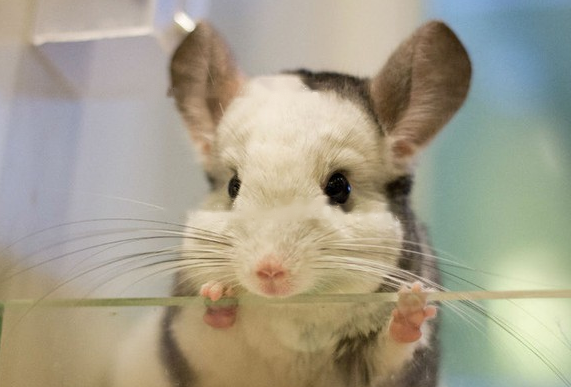
Chinchillas are herbivorous animals, and the average year-round food of wild chinchillas contains more than 60% to 70% fiber. Therefore, the essential nutrients for chinchillas should be mainly high-fiber foods. The following is the breakdown of the main nutritional requirements of chinchillas:
Protein
Chinchillas need high-fiber food, and 16% to 20% of the protein they need is enough. For example, chinchillas who are sick, sick, or pregnant may need to more than 21% protein. Therefore, when choosing a staple food, you should pay attention to the protein content. If the protein is less than 16% of the staple food, it is not recommended.
Fiber
In terms of fiber, the fiber content of staple foods should be between 18% and 28%.
Calcium
Calcium is very important for chinchillas. Insufficient calcium will make it easier to fracture and affect standing, or cause cramps. Healthy chinchillas do not need to supplement calcium for them. At most, it is enough to mix calcium grains into the main food or nutritional supplements.
Whether chinchillas have enough calcium depends on their teeth and skeleton. If the teeth are orange, it means healthy, and if the teeth are white, it means calcium deficiency/nutrient deficiency. Sometimes chinchillas lack calcium or are thin, which can cause hunchback, especially before and after childbirth, pay more attention.
The absorption of calcium should be appropriate. Simply adding calcium cannot be stored, and excess calcium can only be excreted. Excess calcium that cannot be excreted in the urine can cause problems such as urolithiasis and bladder stones.

Subscribe to Newsletter
Professional platform for pets, dogs and cats.
![[Dog Training 5] The training method of pet dog dining etiquette](/static/img/12192/12192_1.jpg)