Large mudskippers are not suitable for polyculture. Although this fish looks cute and cute, it is actually a full-fledged carnivore. The author has tried to breed oxtail fish seedlings, Ziling snout gobies, small crabs, seawater flounder, etc. in seawater, all of which have ended in failure. All polyculture fish end up being killed or eaten by large mudskippers. Although large mudskippers can be mixed together, it is necessary to pay attention to the difference in size. Large individuals are likely to bite and eat small individuals, so more food must be fed to prevent them.
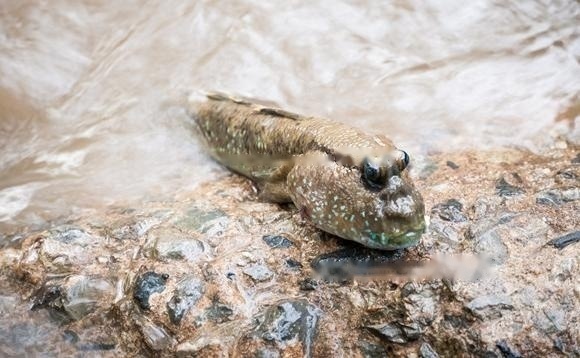
The big mudskipper has a strong ability to adapt to the environment , they have strong oxygen tolerance and disease resistance. After the low tide, a tidal flat is often formed on the seashore, and at this time, large mudskippers will hunt for food here. The giant mudskipper is an omnivorous species and is not too picky about its food. Plankton, nereids, copepods, cladocerans, benthic diatoms or blue-green algae are the food of the giant mudskipper. source.

Subscribe to Newsletter
Professional platform for pets, dogs and cats.
![[Original] Sharing of popular science knowledge of ringed map turtles](/static/img/11249/11249_1.jpg)