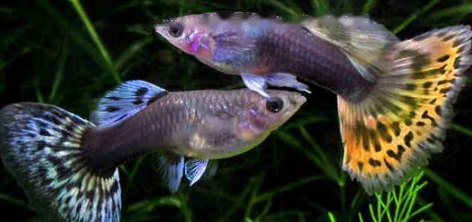
The requirements of water quality and water temperature for glass cats during the breeding period will be higher than usual. Attention should be paid to providing glass cats with a suitable living environment for breeding. Glass catfish usually lay eggs in the early morning. In order to prevent the glass cat from swallowing the eggs, the glass cat can be restricted to the upper half of the spawning tank with a mesh of 2-3mm to prevent the glass cat from swallowing the eggs. Each female glass cat can lay 300 to 1000 eggs.
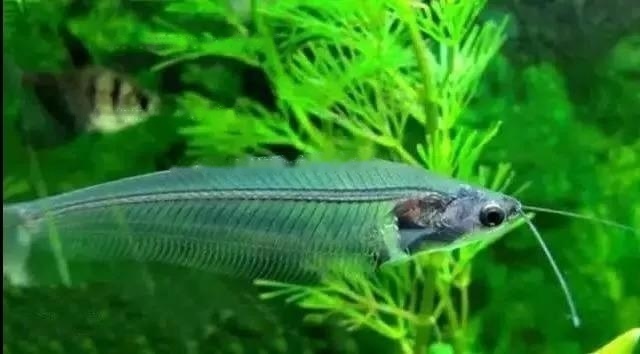
The newly hatched glass cat is pale yellow, and it can be seen in the dissecting microscope A beating heart is visible below, blood is flowing, and a large, unabsorbed yolk sac is present in the abdomen. For the first 2 to 3 days, the Aberdeen glass cats lie still at the bottom of the water, and do not need to be fed at this time. Pay attention to fish out the egg membrane and white dead eggs in time, replace with new water every day, and place the glass cat fry in a greenhouse at a temperature of 25 °C. At the age of 3 to 4 days, the glass cat can swim freely and begin to forage. At this time, a little egg yolk can be taken from a silk net and stirred gently in the water until the water is slightly yellowish. Appropriately feed calcium master tablets, compound vb liquid, oxytetracycline, etc. to improve the survival rate of glass cat fry. Glass catFed small and frequent meals, 3 to 4 times a day. At the age of 7 to 10 days, the glass cat can be fed with paramecia, brewer's yeast, etc., and the 3-week-old glass cat can be fed the nauplii of Artemia, and gradually fed with compound feed. During the feeding process, pay attention to the changes in water quality, change the water frequently, and feed less frequently to ensure that glass catsThe fry grow healthily.

Subscribe to Newsletter
Professional platform for pets, dogs and cats.
![[Original] Sharing of popular science knowledge of ringed map turtles](/static/img/11249/11249_1.jpg)