Cat rhinitis is divided into acute rhinitis and chronic rhinitis. The symptoms of the two are different, and the treatment methods are also different.
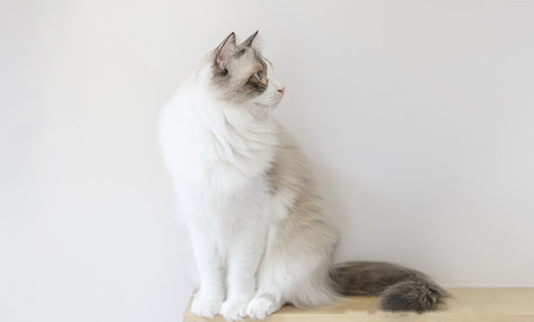
In the early stage of acute rhinitis, the nasal mucosa will be flushed, dry and swollen. Because of itchy mucous membranes, sick cats often scratch their noses with their front paws, shake their heads and back, sneeze frequently, and cough mildly. Exfoliation of the skin around the nostrils may occur. Shortness of breath occurs when the nostrils are blocked by excreta and crusts, and mouth breathing occurs. Often accompanied by conjunctivitis, shame and tears can be seen. Also often accompanied by tonsillitis and pharyngitis.
The development of chronic rhinitis is relatively slow, accompanied by frequent but less runny nose, mainly purulent mucus. If the cat's nose is inflamed and spreads to the sinuses, this will affect the tissue structure inside the cat's nose, resulting in blood streaks in the nasal mucus, and possibly a particularly foul odor. Chronic rhinitis can easily cause suffocation in cats, or be complicated by some brain diseases, which should be paid great attention.

Subscribe to Newsletter
Professional platform for pets, dogs and cats.
![[Original] Sharing of popular science knowledge of ringed map turtles](/static/img/11249/11249_1.jpg)