This tortoise species was first discovered near the island of Sulawesi, Indonesia. Because of the white head of the adult male Sulawesi, people named it Named Sulawesi Bald Turtle. Because many people don't know it, the editor has collected some relevant information to popularize it for everyone~
1. Morphological characteristics
1. Body type
Sulawesi white-headed turtle The tortoise is medium in size, oval in shape and strong in build.
2. Head
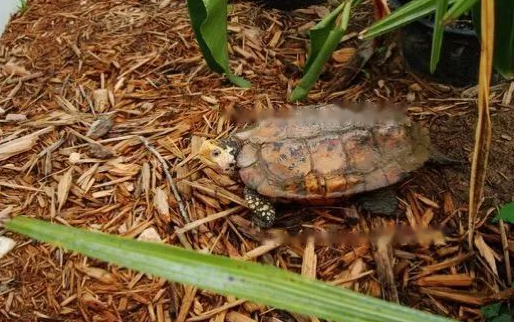
The head of the Sulawesi sand turtle is medium in size, the male Sulawesi sand turtle has a white head, while the female is tan; The eyes are small and black; the muzzle is medium in size and hooked.
3. Tortoise shell
The tortoise shell of the Sulawesi bald turtle is dark brown and about 25cm in length. There are three raised ridges on the carapace, of which the middle one is the widest, the ridges on both sides are relatively thin and short, and the tortoise shells between the ridges are relatively flat. The anterior and posterior marginal shields are serrated, and the neck shields are narrow in front and wide in the back. The central part of the plastron is black, while the edges are pale yellow.
4. Limbs
The limbs of the Sulawesi bald turtle are relatively thick and covered with scales. Both fore and hind limbs have claws, but the claws are not sharp. Since the Sulawesi bald turtle is a semi-aquatic turtle, the webs on the toes are not obvious.
II. Life Habits
1. Habitat
The Sulawesi bald turtle likes a relatively humid environment, and usually prefers to inhabit shallow waters in the forest. In addition, it is more afraid of cold and heat. The suitable temperature is 20-25 degrees. If the temperature is lower than 15 degrees, it will hibernate.
2. Food
The Sulawesi bald turtle is an omnivorous animal, but its food requirements are relatively high. In addition, it is more interested in red foods, such as tomatoes, strawberries and so on. If it is a young Sulawesi bald turtle, it prefers to eat worms, snails, slugs, earthworms, etc.
3. Temperament
The Sulawesi bald turtle has a docile temperament and will not actively attack other turtles. In addition, it is also a little timid, often hiding under the pile of dead leaves.
III. Species status
Sulawesi The white-headed tortoise was discovered in 1997, but due to the high profits of the local pet trade market, many Indonesians hunted it aggressively, so by 2000, the Sulawesi white-headed turtle was recognized as a critically endangered turtle species . However, it is said that artificial breeding is already possible in Japan, so in the Japanese pet market, you can occasionally see one or two Sulawesi white-headed turtles.
Ok, that's all about the Sulawesi bald turtle, do you all understand? If you are more interested in the Sulawesi bald turtle, you may wish to learn more about it.

![[Original] Sharing of popular science knowledge of ringed map turtles](/static/img/11249/11249_1.jpg)