1. Basic information
Chinese name: Philippine crocodile
Latin name: Crocodylus mindorensis
Alternative name: Mendoro crocodile, Philippine freshwater crocodile
Kingdom: Animalia
Department: Chordate
Subphylum: Vertebrate subphylum
Class: Reptile
Subclass: Biporia
Order: Crocodiles
Family: Crocodiidae
Subfamily: Crocodiaceae
Genus: Crocodile
Species: Philippine Crocodile
Endangered Grade: Critically Endangered
II. Morphological Characteristics
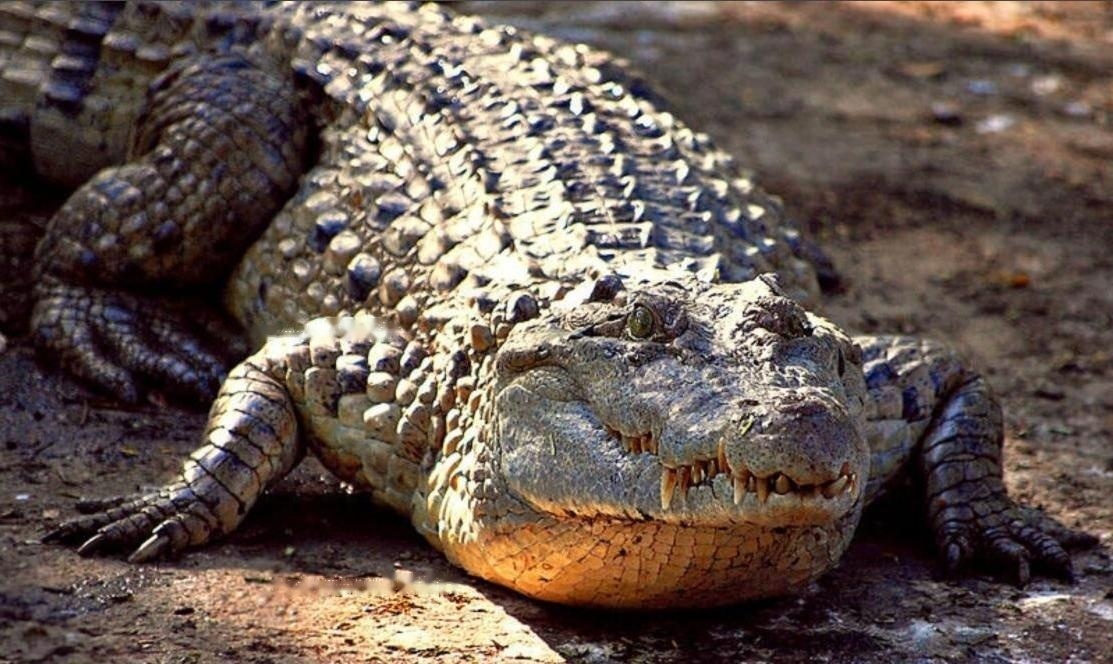
Adult Philippine crocodiles are between 2.4 and 2.7 meters in length and weigh between 15 and 36 kilograms. Compared with other crocodiles, Philippine crocodiles have a wider snout and a smaller body, usually no more than 3 m, and males are generally larger than females. This crocodile is not too aggressive, but will bite if harassed. Philippine crocodiles have a golden-brown coloration that darkens as they reach adulthood.
III. Living habits
The Philippine crocodile has a wide range of diets and is also a long-mouthed carnivorous reptile like a lizard. The main food is fish, turtles, birds and mammals. Large crocodiles also attack livestock and humans. Crocodiles hunt in the water, but also climb ashore to bask in the sun and breed. They often float on the water, waiting for an opportunity to catch their prey. An astonishing hunter, it catches large prey such as antelope, but leaves crocodile birds to clean their teeth and feed on fish, shrimp, mice and water snails as a child.
The Philippine crocodile reproduces by oviparity. It uses mounds of soil to build nests on the shore to lay eggs. After the eggs hatch, the young crocodiles feed themselves by catching insects and some small invertebrates. As young crocodiles grow, they slowly learn to catch larger vertebrates. In captivity, Philippine crocodiles lay 7-14 eggs per nest.
IV. Distribution
The Philippine crocodile is only distributed in Mindoro, Negros, Mindanao and Samar in the Philippine archipelago.
At the beginning of the article, we mentioned that the number of Philippine crocodiles is endangered. In fact, there are many species of crocodiles in the world, including Philippine crocodiles, African dwarf crocodiles, African slender crocodiles, crocodiles, Ceylon crocodiles, Congo dwarf crocodiles , Cuban crocodile, Nile crocodile and more than a dozen species are endangered. The editor also appeals to everyone to protect wild animals. You and I are both responsible.

![[Original] Sharing of popular science knowledge of ringed map turtles](/static/img/11249/11249_1.jpg)