The mountain fox is a canid found in Argentina, Bolivia, Chile, Ecuador and Peru. It is the second largest canid in South America after the maned wolf. The following are some popular science information about mountain foxes compiled by the editor. Let's take a look together!
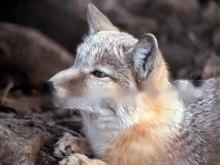
III. Habitat environment and habits
1. Habitat environment: Mountain foxes are most common in the west of the Andes, inhabiting open and vast areas and deciduous forests. It is generally recorded that they live in earth caves, tree holes or abandoned caves of animals. Badger caves are used in northern regions, or they are enlarged and used. Sometimes they even live in dens with badgers. It is mostly active on hillsides, often inhabiting large rock crevices or ravines, and only live in nests during the breeding season.
2. Habits: The mountain fox is a species that likes to act in isolation. It will only be with mating images and small partners during the breeding season. They have developed senses of hearing and smell, are cunning and agile. They usually come out at night to hide and sleep in caves during the day. Their long tails can prevent moisture and keep warm. However, in desolate places, they sometimes come out to look for food during the day. Although the legs and feet are short, the claws are very sharp, and they can run very fast.
3. Diet: The mountain fox mainly eats rodents, rabbits, birds and lizards, and sometimes plants and carrion.
Four. Breeding status
The breeding period of mountain fox is from early August to October every year, the gestation period lasts 55 to 60 days, and the average litter size is The number is 5.2. Newborns weigh an average of 170 grams, are late bloomers, and pups are born with their eyes closed. Weaning is 2 months, and it takes about 7 months to grow into an adult, and sexual maturity occurs a year later.
The above is some small knowledge of the mountain fox. Friends who want to learn more about animals can continue to pay attention to this site!

![[Original] Sharing of popular science knowledge of ringed map turtles](/static/img/11249/11249_1.jpg)