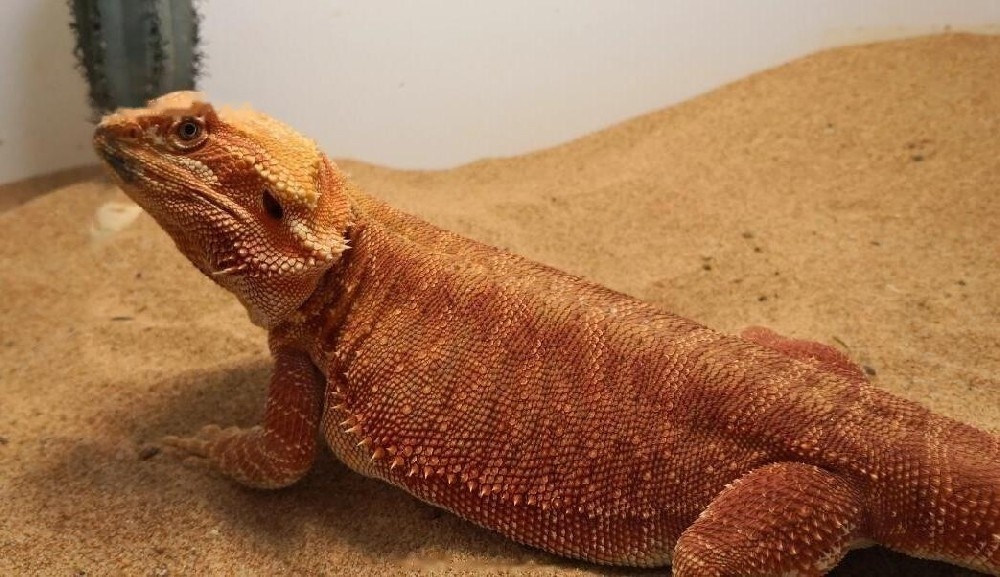
Manned dragon lizard, scientific name: Pogona vitticeps (Ahl, 1927), a species of lizard of the genus Beard lizard of the Flying lizard family. Also known as the central maned dragon, it is a diurnal species of the flying lizard family. Mainly distributed in the eastern half of Australia, with a total length of about 45 cm and a maximum of about 55 cm. The body is thick.
The spinous scales located on the side of the body have different growth orientations. Semi-arboreal. Bluffing by bulging the jaw whiskers. Food is mainly insects and plants. The maned dragon lizard [zōngshīxī] is covered with spiny scales on its back and nape. When threatened, this lizard will show movement by opening its mouth and inflating its barbed throat, hence its Chinese name.
I. Introduction
The bearded dragon is a diurnal semi-arboreal lizard of the family Flying lizards, mainly found in eastern Australia. Its body length is about 40 cm. It can grow up to 49 cm in length and has a large body with spiny scales on its back and nape. They often bluff by bulging their jaws to protect themselves and scare off enemies. Its food is mainly insects and plants. The maned dragon lizard is very adaptable and often inhabits various places such as forests and even deserts. There are two varieties of maned dragon lizards: one has a translucent belly, and its body skin is similar to jelly-like jelly maned dragon lizard; the other has few or no spine-like scales on its body, which is similar to ordinary leather, so it is called leather-maned dragon lizard. .
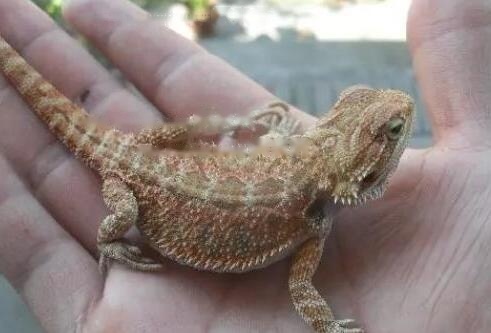
bearded dragons, This lizard has many long, pointed appendages on the skin of its head and a sac under the bar. In the face of an enemy, this sac expands and becomes a large whisker of thorns, which makes them look more menacing. , while opening his mouth to reveal the bright colors inside.
Second, morphological characteristics
The back and the nape of the neck are covered with spinous scales. When threatened, this lizard will show movement by opening its mouth and inflating its barbed throat, hence its Chinese name.
Three, living habits
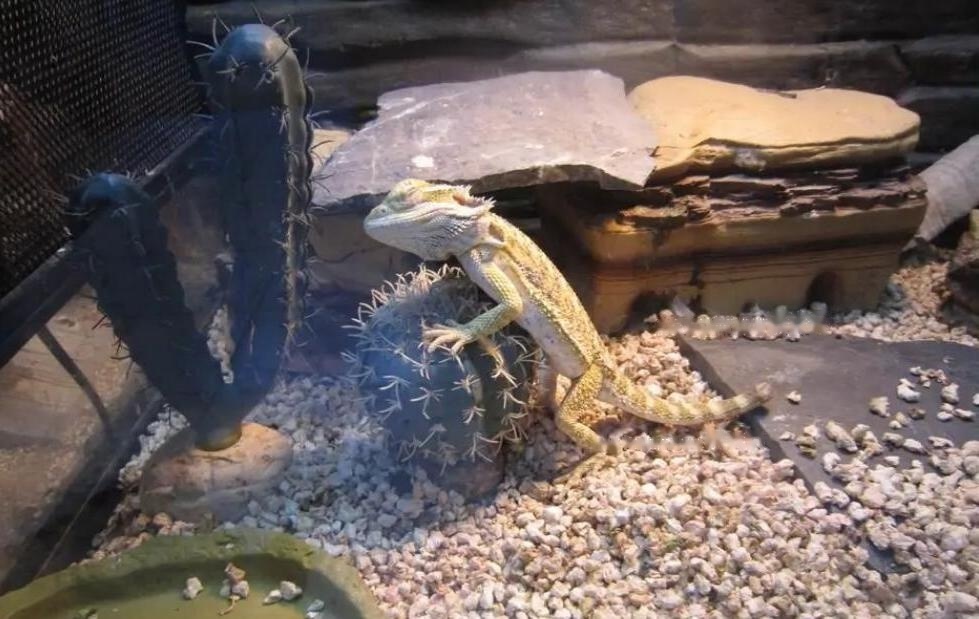
Mainly inhabits desert environments, semi-arboreal. diurnal. Each litter can produce 11-26 eggs.

Subscribe to Newsletter
Professional platform for pets, dogs and cats.
![[Original] Sharing of popular science knowledge of ringed map turtles](/static/img/11249/11249_1.jpg)