Since the COVID-19 outbreak, many people around the world have seen a marked increase in depression, anxiety and other negative emotions, so much so that the term coronavirus depression emerged. As a result, many people choose to keep pets as companions to regulate their mood.
The adoption and purchase of pets is a boom in many countries. Statistics show that over 3.2 million stray animals have been adopted in the UK alone during the stay-at-home period.
However, as people gradually adapt to life under the epidemic, those small animals that were once tenderly treated have become a new problem for many people, and the wave of pet abandonment has followed.
Leaving the warm harbor and owner, where will these little animals go in the future?
Dispel the haze of the epidemic with my pet
Ms. Li, who lives in South Korea, had to work from home due to epidemic control. After more than two months, she felt that her life was boring and lonely. I'm stuck at home and can't go out and pass the time on weekends as usual.
One day, a bored Ms. Li browsed the video website as usual, and a series of pet adoption videos attracted her . Looking at these cute little animals, she, who had never thought about having a pet before, adopted a 6-year-old hound from a stray cat and dog shelter in eastern South Korea and named it Jasmine.
Since March last year, British Guardian columnist Jane had to be separated from her husband due to the epidemic. At that time, the spread of the epidemic made her feel that the future is confused.
It was my pet dog Ramona who accompanied me through the most difficult period of the epidemic. Jane described how her single life was warm.
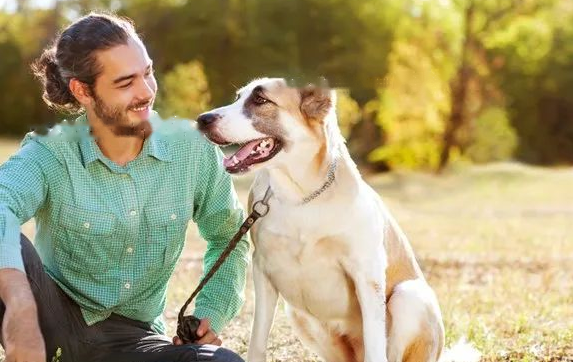
“We could say we’re together all the time. Not only am I taking care of Ramona, but I’m also honestly learning something important from Ramona about enjoying the things in life. Simple joy. Whenever he hops at me with something in his mouth, like a little soldier eager to share his victory with me, I am so comforted by his loveliness and company.” Jane sighed.
Some people feel that pets are good partners in life, especially during the epidemic. And now, when the home office model ends, and those who were in desperate need of pet companionship begin to return to their original living conditions, what will happen to the little friends who have been with them for a few months?
Abandonment has become a boom after the epidemic.
Recently, on the streets of Seoul, South Korea, more and more stray animals shuttle among them: dirty kittens are pulling trash cans , struggling to find food to satisfy his hunger; the puppy who was nearly hit by a car crosses the road in panic.
According to South Korea's Joongang Daily, in the third quarter of this year, the number of stray cats and dogs registered every month in South Korea reached an average of 10,769, an increase of nearly 3,000 from the first quarter.
A manager of an American animal protection society lamented that at the beginning of the outbreak, about one-fifth of American households adopted a pet. He was happy for the furry little animals, but now they have to accept the fate of returning to the shelter again. Roberts, the head of a stray dog home in Maryland, USA, said helplessly in May this year: At the beginning of the epidemic, everyone had to stay at home and work. At that time, there was a peak in pet adoptions. Now more people put the original The adopted animals have been sent back.
In order to speed up the shipping, some people actually put their pets back in the shelter while applying to sell them online, claiming that they were from stray animals picked up on the street.
The Hope Stray Animal Rescue Centre in Wales, UK, once received a 1-year-old puppy named McGee. Staff recently discovered that this cute previous owner had Put McGee for sale online for £500.
McGee is just one of thousands of abandoned pets that have been abandoned and sold. Rosa, the head of the Hope Rescue Station, said: There are not a few 'fake stray dogs' like McGee. Now the number of small animals in our shelter has reached the peak in 15 years, and the stray cats and dogs who really need help are still there. Cold and starving on the streets and in the fields.
How expensive pets were when the epidemic prevention measures were the strictest, how difficult it is for them to be adopted now. At a cat and dog shelter in the UK, staff were able to find a new home for most of the small animals in a few weeks last March, but this spring, as Britons recovered their freedom, the speed of sending out Can't keep up with the speed of reception. Looking at the 150 abandoned pets and stray animals, the rescue station could only publicly express desperation on the webpage, and it seemed that there was nothing they could do.
Abandoning pets abounds on the website of a dog charity in the UK. From February to June, the number of people browsing the site's dog abandonment module rose 180 percent. Sharp, a spokesman for the organization, said: At the beginning of the epidemic, people's love for dogs gradually disappeared after returning to normal life, which was very difficult for pets and us. When we saw this adoption and buying boom , then thought of the possibility of adopters and buyers who were hot-headed but unprepared to eventually abandon their adoption. But we did not expect that in the post-pandemic era, we would face such an unprecedented crisis.”
Back to normal pets still need to be loved
“Those who are suffering from home isolation and loneliness have no idea what it means when they buy and adopt pets, and this is the trend of abandonment now The biggest reason for the prevalence, Rosa said.
With the return of previous work and life, many people find that they no longer have enough time and energy to accompany these home partners during the epidemic. Many people are now back at the office and able to travel as usual, only to find that having pets is out of tune with their way of life, feeling that the kitten and puppy at home shouldn't be part of their lives at all. Battersea Cat Laurie, a dog shelter worker, said, And, as pets grow up, owners realize how troublesome it is to take care of a pet.
Of course, there are some who Abandoning pets for economic reasons. During the 2008 economic crisis, there was also such a wave of abandoning pets. The impact of the new crown epidemic on the global economy is self-evident, and many people lost their jobs during the epidemic. Kate, a staff member at the Battersea Shelter, said that many people who send adopted pets back because they can't afford the cost of keeping a pet.
After abandonment, they may be able to return to their past lives and reduce expenses, but for the little partners during the quarantine period, what remains is an indescribable depression. Although small animals can't speak, they are also sentient beings, just as eager to be loved as humans.
“Leaving the environment that they have just been familiar with, and leaving their original nest, now they need to face a series of changes: strangers around, identification cards attached to their bodies, and necks. ropes and so on. Roberts, Maryland, USA, imagined the feelings of the small animals, How scared they should be when they have fallen from the safe and comfortable environment in the past.
From the warm When their homes are reduced to the streets again, they have to embark on a lonely journey of displacement and uncertainty.

![[Original] Sharing of popular science knowledge of ringed map turtles](/static/img/11249/11249_1.jpg)