Reference News Network reported on April 4th that the website of Spanish newspaper Le Monde published a report on March 31st titled How Diplomacy Saves Giant Pandas: The United States and China Cooperate to Save Endangered Species, the author is reporter Angel Dias, reported that the study estimates that there are 259 wild giant pandas in China in 25 isolated small groups, 15 of which are at high risk of extinction. The full text is excerpted below:
This is perhaps the most famous example of successful conservation of an endangered species. Although their homeland was China, they later grew up in Madrid, Washington, London and other parts of the world. They are naive and make the best diplomatic gift.

The fate of giant pandas is twists and turns. The survival of this species is intertwined with international geopolitics, ecological science and the fate of nations.
These days, the Smithsonian's National Zoo in Washington has launched a series of celebrations for the 50th anniversary of the Giant Panda Project. In April 1972, two lovely giant pandas Lingling and Xingxing presented by the Chinese side arrived in the United States after President Nixon's visit to China. On their first day of public appearance, they attracted more than 20,000 people to watch.
Lingling and Xingxing quickly became symbols of panda diplomacy, and Beijing hopes to use giant pandas to enhance friendship with other countries and regions. About ten years later, the giant panda Zhu Lin was born in Madrid, Spain.
At present, there are three giant pandas living in the Smithsonian's National Zoo. The director of the zoo believes that the giant panda project, which started half a century ago, has been a complete success. endangered species with a common goal.”
The breeding program outside of China is another contribution to the giant panda conservation program, said Maria del Cloro, a terrestrial mammal conservation specialist at the Madrid Zoo, and Agus Agus, the zoo's director of biology Ding Lopez said via email, This is a global project, whether it is breeding, research or management, every work is important. The main goal of these cooperation with China is to protect giant pandas in situ.
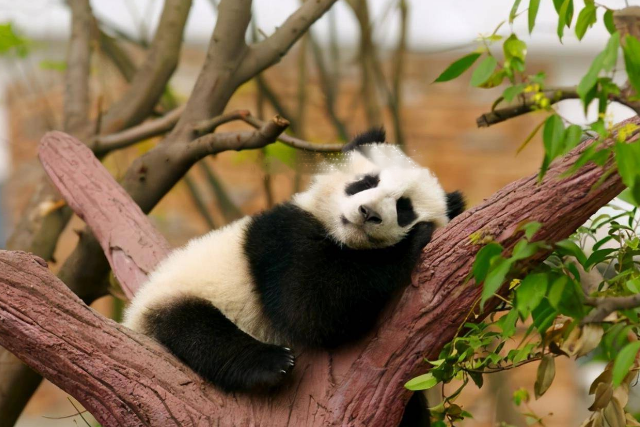
The current cooperation project has successfully bred giant pandas in many zoos around the world. In September 2021, a pair of giant panda twins were born at the Madrid Zoo. They provide valuable opportunities to study giant pandas and help the zoo become a leader in giant panda conservation research.
Despite recent successes in the conservation of giant pandas, there is no guarantee that it will survive in the long term. Experts say traditional threats to giant pandas, such as poaching, are declining, but other large-scale disruptions, such as mining, tourism and infrastructure development, are becoming more severe.
In 2016, the IUCN changed the threat level of giant pandas from endangered to vulnerable. It is estimated that the number of wild giant pandas has grown from more than 1,000 in 1987 to nearly 2,000 today. The Chinese government also changed the threat level of giant pandas to vulnerable last summer.
Does this modification make the public think the pandas have been saved? I'm afraid it is, replied Stuart Pym, an animal conservation expert at Duke University in the United States. He said that the Chinese government has done a very good job in protecting giant pandas and their habitats, and the changes in the living conditions of giant pandas reflect their achievements, but giant pandas still face a high risk of extinction, and they have not been fully rescued.
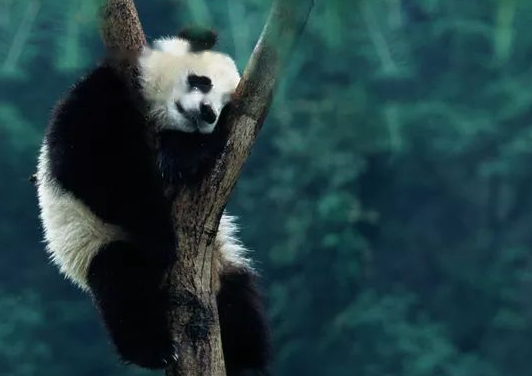
The main reasons why giant pandas are still at higher risk include climate change, loss of natural territory or difficulties in raising them, which are difficult to reverse in the short term. Many pandas live in isolated populations and are at high risk of extinction, Pym warned.
Last year, a study by Chinese scientists published in the journal Nature Ecology and Evolution estimated that there are 259 wild giant pandas in China in 25 isolated small groups, of which 15 populations At high risk of extinction.

![[Original] Sharing of popular science knowledge of ringed map turtles](/static/img/11249/11249_1.jpg)